
Why Preventing Hospital Acquired Infections Is Critical for Healthcare Success
The benefits of preventing hospital acquired infections go far beyond basic patient care—they enable safer, more cost-effective healthcare delivery. Hospital-acquired infections (HAIs) affect 1 in 31 hospitalized patients at any given time, resulting in over 680,000 infections annually and billions in excess healthcare costs across the United States.
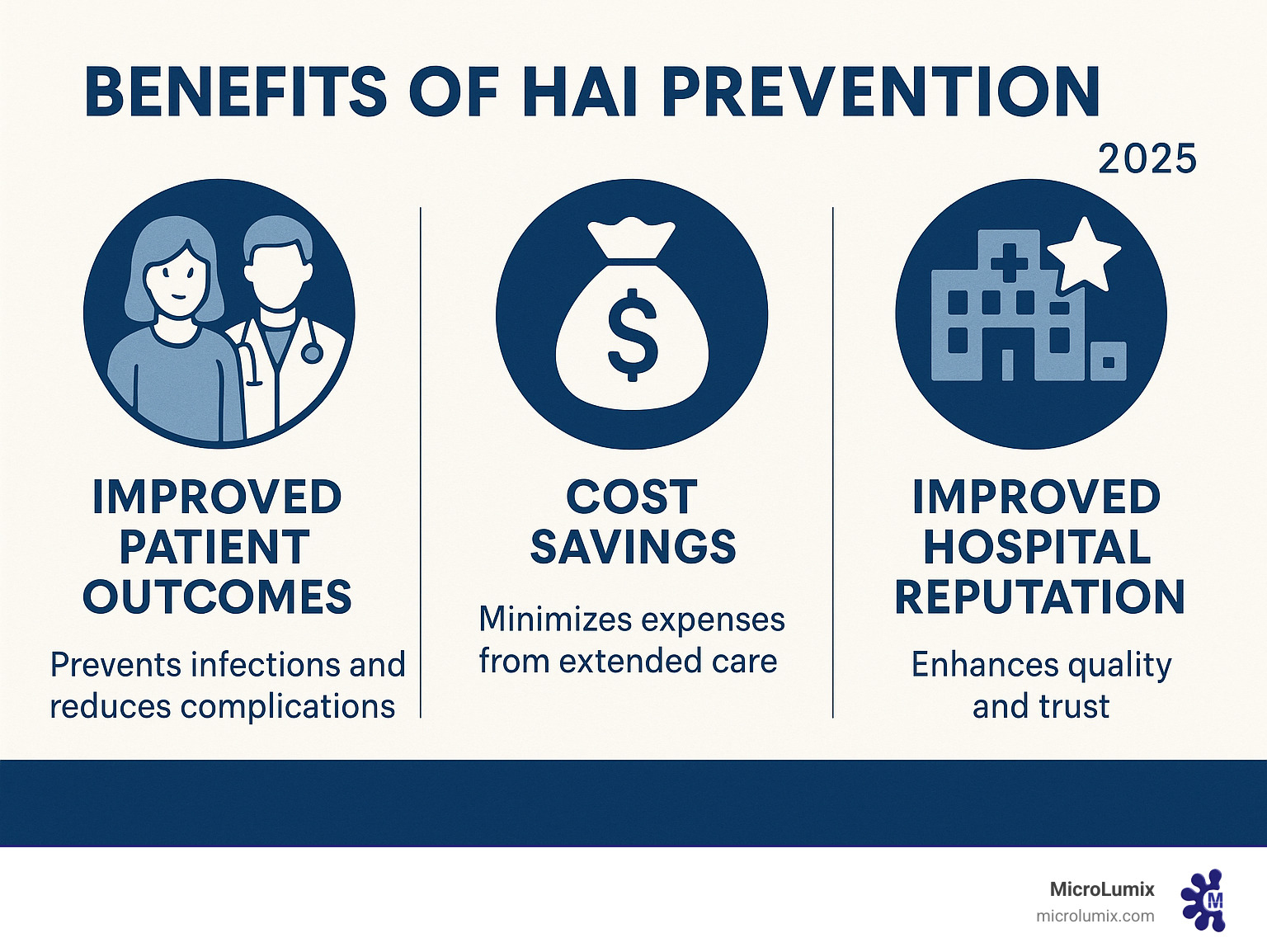
Key Benefits of HAI Prevention:
- Patient Safety: Reduces suffering, mortality, and complications
- Financial Savings: Avoids costs from extended stays, treatments, and CMS penalties
- Operational Efficiency: Frees resources, improves bed turnover, and boosts productivity
- Quality Reputation: Strengthens ratings, trust, and recruitment of top talent
- Regulatory Compliance: Meets federal requirements and avoids HAC Reduction Program penalties
HAIs can lead to sepsis, which causes an estimated 1.7 million illnesses and 270,000 deaths annually in the United States. The economic burden reaches $6.7 billion per year, making prevention both a moral imperative and a business necessity.
I’m Debra Vanderhoff, Founder and COO of MicroLumix Bioscience Technology. For over 20 years, I’ve developed automated disinfection systems that help healthcare facilities realize the benefits of preventing hospital acquired infections, blending biotechnology innovation with healthcare operations to deliver measurable clinical and financial value.
The Staggering Human and Economic Cost of HAIs
When we talk about the benefits of preventing hospital acquired infections, first understand what we’re preventing. The reality is sobering: HAIs create a ripple effect of suffering and financial burden that touches every corner of our healthcare system.
Patients enter hospitals seeking healing, but for too many, this trust is broken by infections acquired during their stay. These aren’t just statistics; they represent people whose recovery becomes longer, more painful, and sometimes tragically shorter.
The Most Common Threats to Patient Safety
Hospital-acquired infections sneak in when patients are most vulnerable. These infections weren’t present when someone was admitted – they develop during treatment, often linked to the very medical devices meant to help them heal.
The five most dangerous culprits each tell their own story of how healthcare can go wrong. Central Line-Associated Bloodstream Infections (CLABSI) occur when germs enter through central lines, those vital catheters that deliver life-saving medications directly into large veins. Catheter-Associated Urinary Tract Infections (CAUTI) are unfortunately the most common HAI, turning a necessary medical device into a pathway for bacteria.
Surgical Site Infections (SSI) can turn what should be a healing incision into a source of ongoing complications. Ventilator-Associated Pneumonia (VAP) strikes patients who are already fighting for their lives on breathing machines. And Clostridioides difficile (C. diff) spreads rapidly through healthcare facilities, causing severe diarrhea and colitis that can be incredibly difficult to treat.
The most frightening consequence of these infections is sepsis – when the body’s response to infection becomes so overwhelming that it threatens life itself. In the United States, infections contribute to approximately 1.7 million sepsis cases annually, leading to 270,000 deaths. That’s 270,000 families forever changed by what began as a preventable infection.
The Financial Drain: Direct and Indirect Costs
The numbers behind HAIs are staggering, but they represent more than just accounting entries – they show how these infections strain our entire healthcare system. The annual economic burden in the United States reaches $6.7 billion, money that could otherwise go toward advancing medical care and improving facilities.
When we break down the costs by infection type, the financial impact becomes crystal clear:
| HAI Type | Direct Costs (Cases) | Direct Costs (Controls) |
|---|---|---|
| CLABSI | $6400 | $2376 |
| CDI | $1357 | $733 |
| SSI | $6761 | $5860 |
These figures reveal the hidden expenses that pile up when infections occur. A patient with CLABSI might spend an extra 18 days in the ICU, costing around $24,500 beyond their original treatment plan. That’s 18 days of intensive nursing care, additional medications, more diagnostic tests, and delayed recovery that could have been avoided.
The ripple effects extend beyond hospital walls. Families lose income caring for loved ones, patients face lost productivity, and healthcare workers are stretched thin managing increasingly complex cases.
Even globally, the burden is immense. The United Kingdom faces approximately £1.06 billion in annual costs from HAIs – resources that could otherwise strengthen their healthcare system and serve more patients effectively.
Beyond the Bottom Line: The Priceless Benefits of Preventing Hospital Acquired Infections
While the financial case for prevention is compelling, the true benefits of preventing hospital acquired infections go far deeper than any spreadsheet can capture.
Every prevented infection means a patient avoids unnecessary suffering. It means someone doesn’t have to endure additional procedures, extended pain, or the anxiety that comes with unexpected complications. It means families don’t have to watch their loved ones fight battles they never should have faced.
When hospitals successfully prevent infections, something beautiful happens to their culture. Patients develop deeper trust, knowing their care team is truly committed to their safety. This trust translates into better cooperation with treatment plans, more honest communication about symptoms, and ultimately better outcomes for everyone.
Healthcare workers flourish in environments where prevention is prioritized. They feel proud of their workplace, knowing they’re part of a team that consistently delivers safe, high-quality care. This pride reduces burnout, improves job satisfaction, and helps attract the best medical professionals who want to work where excellence is the standard, not the exception.
The reputation benefits create a positive cycle that strengthens everything a hospital does. When a facility becomes known for exceptional safety records, it attracts not just more patients, but also top physicians, cutting-edge research opportunities, and community support that helps it continue improving.
These intangible benefits remind us why healthcare exists in the first place – to heal people and send them home healthier than when they arrived. That’s a benefit no amount of money can truly measure.
The Financial Case for Prevention: How Reimbursement Shapes Infection Control
Here’s something fascinating: the way hospitals get paid dramatically influences how much they invest in infection prevention. It’s not just about doing the right thing anymore – the financial incentives built into our healthcare system are finally pushing hospitals toward the benefits of preventing hospital acquired infections.
Think about it this way: if you owned a restaurant and got paid more when customers got sick from your food, would you invest much in food safety? Of course not. But if you faced hefty fines for every case of food poisoning, you’d probably become obsessed with cleanliness. That’s exactly what’s happening in healthcare right now.
Understanding the Economics of Infection Control
Let’s break down the money side of infection control without getting lost in financial jargon. When hospitals decide whether to invest in prevention programs, they’re essentially asking: “Will this save us more money than it costs?”
The concept of opportunity cost is huge here. When a patient gets an HAI and stays in the hospital for an extra week, that bed can’t be used for another patient. That’s lost revenue on top of the extra costs of treating the infection. It’s like having a parking space that could earn you $50 a day, but instead it’s occupied by a car that’s costing you $100 daily in maintenance.
Hospitals also look at the Incremental Cost-Effectiveness Ratio (ICER) – basically, how much does it cost to prevent one more infection? If spending $10,000 on hand hygiene training prevents five infections that would have cost $50,000 total, that’s a no-brainer investment.
The marginal costs concept helps hospitals find their sweet spot. There’s a point where spending one more dollar on prevention saves exactly one dollar in infection costs. Beyond that point, you might be over-investing. Before that point, you’re leaving money on the table.
What makes this really interesting is that scientific research on the economics of infection control shows most hospitals haven’t reached their optimal investment level yet. There’s still plenty of room for cost-effective prevention.
The Impact of Payment Models on HAI Prevention
Here’s where the rubber meets the road. The way Medicare and insurance companies pay hospitals creates powerful incentives – and sometimes, unintended consequences.
Under the old per diem model, hospitals got paid a set amount for each day a patient stayed. If someone developed an infection and stayed longer, the hospital kept getting paid. This actually discouraged prevention because longer stays meant more revenue. Thankfully, this model is becoming less common.
The Diagnosis-Related Group (DRG) system changed everything. Now hospitals get a fixed payment based on the patient’s diagnosis, regardless of how long they stay or what complications arise. If a surgical patient develops an infection, the hospital eats the cost of the extra days, additional treatments, and intensive care. Suddenly, preventing infections became financially critical.

The Centers for Medicare & Medicaid Services (CMS) took this even further with their Hospital-Acquired Condition (HAC) Reduction Program. Hospitals with high infection rates now face a 1% reduction in their entire Medicare reimbursement. For a large hospital, that could mean losing millions of dollars annually.
The Value-Based Purchasing (VBP) program adds another layer by rewarding hospitals for good performance on safety metrics, including infection rates. It’s like getting a bonus for keeping patients safe – which is exactly how it should be.
These payment changes have created a perfect storm of financial incentives. Hospitals that don’t invest in infection prevention face higher costs from treating infections, potential CMS penalties, and missed opportunities for quality bonuses. Meanwhile, hospitals that accept the benefits of preventing hospital acquired infections see improved finances, better outcomes, and improved reputations.
The message from the payment system is crystal clear: prevent infections, or pay the price. And increasingly, hospitals are choosing prevention.
A Multi-Pronged Approach: Strategies and Tools for HAI Prevention
When it comes to preventing hospital-acquired infections, there’s no magic bullet. The most effective approach combines multiple strategies working together like a well-orchestrated symphony. Each element – from federal guidance to frontline hand hygiene – plays a crucial role in creating safer healthcare environments.
Think of it this way: if HAI prevention were a recipe, you wouldn’t leave out half the ingredients and expect the same delicious result. The benefits of preventing hospital acquired infections only emerge when hospitals commit to comprehensive, coordinated efforts that touch every aspect of patient care.
The Role of Federal Agencies and National Action Plans
Federal agencies serve as the backbone of national HAI prevention efforts, providing the research, guidelines, and coordination that individual hospitals need to succeed. It’s like having expert coaches guiding the entire healthcare team toward better patient outcomes.
The Agency for Healthcare Research and Quality (AHRQ) leads the charge in developing practical tools and conducting research that helps hospitals understand what works. Their toolkits have helped countless facilities implement evidence-based prevention strategies. Meanwhile, the Centers for Disease Control and Prevention (CDC) acts as our national surveillance system, tracking infection trends and investigating outbreaks before they spread.
The Centers for Medicare & Medicaid Services (CMS) brings financial muscle to the fight by tying reimbursement to infection rates – essentially putting hospitals’ money where their mouth is when it comes to patient safety. The Office of Disease Prevention and Health Promotion (ODPHP) coordinates these efforts through national health initiatives that set ambitious but achievable targets for HAI reduction.
These agencies work together through initiatives like the National Action Plan to Prevent Health Care-Associated Infections. This comprehensive roadmap doesn’t just set goals – it provides specific strategies for eliminating HAIs across all healthcare settings, from large hospitals to small clinics.
Data-Driven Strategies for Effective Prevention
In healthcare, gut feelings might work for some things, but preventing infections isn’t one of them. Successful HAI prevention relies on solid data to guide decisions, measure progress, and identify problems before they become outbreaks.
Surveillance data forms the foundation of any effective prevention program. Hospitals continuously monitor infection rates, comparing their performance to national benchmarks and tracking trends over time. The CDC’s Healthcare-Associated Infections Data Portal provides invaluable resources for this ongoing surveillance work.
Risk stratification helps hospitals focus their efforts where they’re needed most. By analyzing patient characteristics, medical histories, and planned procedures, healthcare teams can identify patients at highest risk and implement targeted prevention measures. It’s like having a weather forecast for infections – you know when to bring extra protection.
Performance feedback creates accountability and drives improvement. When healthcare workers see their hand hygiene compliance rates or infection statistics, it personalizes the impact of their actions. Studies consistently show that regular feedback improves adherence to prevention protocols.
Antimicrobial stewardship tackles one of the biggest drivers of HAIs: antibiotic overuse. With approximately 258 million antibiotic prescriptions dispensed annually in the U.S. – and at least 30% considered unnecessary – proper stewardship programs ensure these powerful medications are used wisely. This reduces both antimicrobial resistance and the risk of C. diff infections.
Hand hygiene compliance remains the single most effective weapon against HAI transmission, yet healthcare workers follow proper procedures only about 40% of the time on average. Successful programs combine easy access to hygiene products with continuous training and a strong culture of accountability.
Environmental cleaning addresses the reality that pathogens can survive on surfaces for days, turning everyday objects into infection highways. High-touch surfaces like door handles, bed rails, and medical equipment require thorough, consistent disinfection to break the chain of transmission.
Measuring Success: Evaluating Infection Control Programs
How do you know if your HAI prevention efforts are actually working? The answer lies in systematic measurement that tracks both the clinical impact and economic benefits of your programs.
Clinical metrics provide the most direct evidence of success. Hospitals track infection rate reduction for specific HAIs like CLABSI, CAUTI, SSI, VAP, and C. diff infections. They also monitor mortality rates and overall patient outcomes to understand the broader impact of their prevention efforts.
Economic metrics demonstrate the financial wisdom of investing in prevention. Cost savings calculations show how avoiding even a single HAI can save tens of thousands of dollars in direct and indirect costs. Return on investment analysis helps hospital administrators understand that prevention programs pay for themselves many times over.
Process measures evaluate whether prevention protocols are being followed correctly. This includes monitoring hand hygiene compliance rates, appropriate antibiotic prescribing patterns, and proper use of medical devices. Outcome measures look at the end results – actual infection rates, length of stay reductions, and improved patient satisfaction scores.
By consistently measuring these parameters, hospitals can fine-tune their approaches, celebrate successes, and identify areas needing improvement. This data-driven approach ensures that the benefits of preventing hospital acquired infections are both measurable and sustainable, creating a culture of continuous improvement that protects patients and supports hospital success.
The Evolving Landscape and Future of HAI Prevention
The fight against HAIs is like trying to hit a moving target – just when we think we’ve got a handle on things, new challenges emerge that keep us on our toes. The benefits of preventing hospital acquired infections remain as crucial as ever, but the landscape we’re working in continues to shift beneath our feet.
Emerging Challenges and the benefits of preventing hospital acquired infections
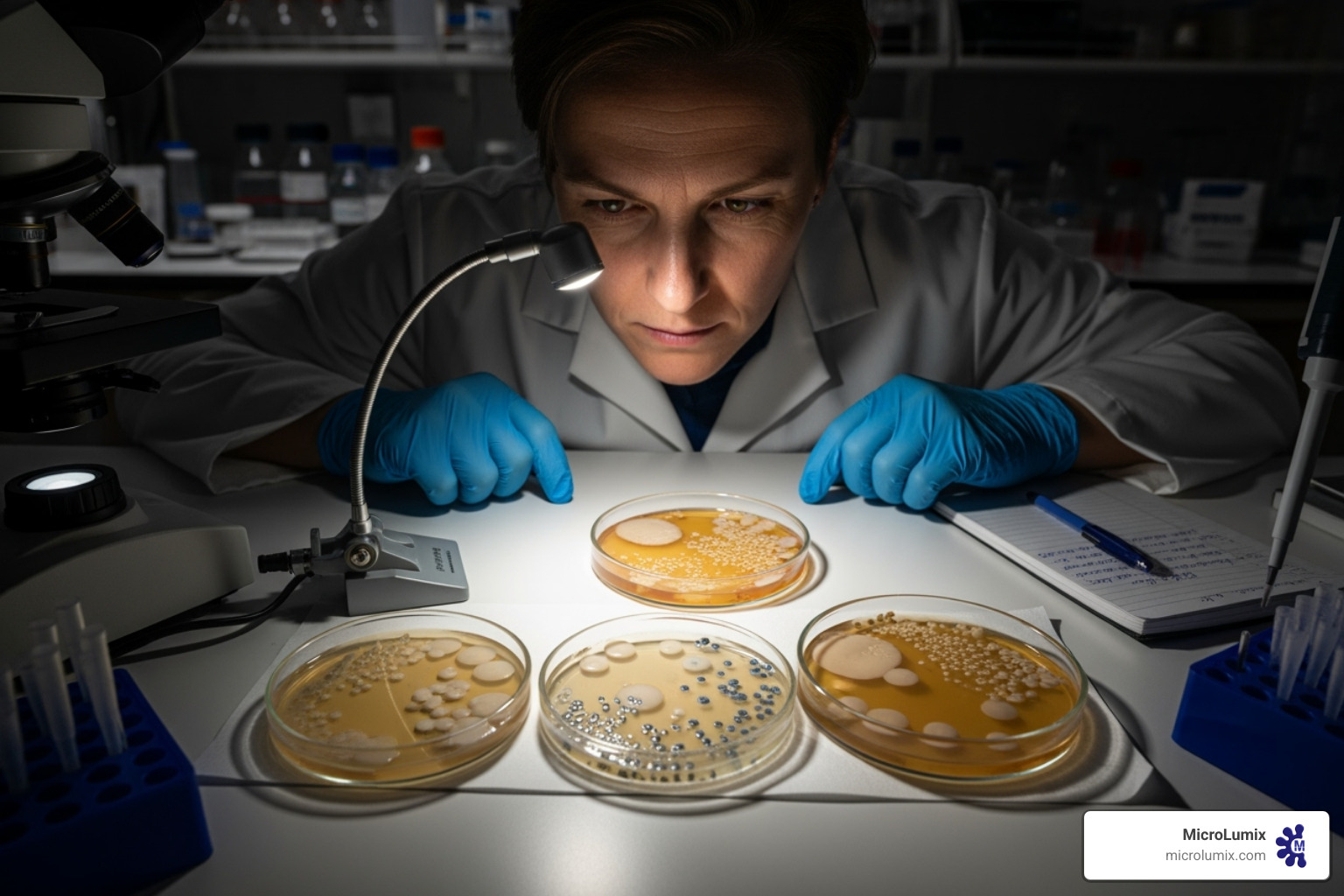
We’re facing some pretty serious new problems that make preventing infections more complex than ever before. The biggest game-changer? Antibiotic-resistant organisms are becoming increasingly common and stubborn.
Here’s what keeps infection control specialists awake at night: more than 70% of bacteria causing hospital infections now resist at least one commonly used antibiotic. We’re dealing with superbugs like MRSA (Methicillin-resistant Staphylococcus aureus), VRE (Vancomycin-resistant Enterococcus), and CRE (Carbapenem-resistant Enterobacteriaceae) that laugh in the face of our traditional treatments. When these organisms cause infections, treatment options become limited, severity increases, and costs skyrocket.
The U.S. National Action Plan for Combating Antibiotic-Resistant Bacteria outlines our national strategy for fighting back, but it’s truly a race against time.
Making things even trickier, Community-Associated MRSA has broken out of hospitals and established itself in community settings. This means patients can arrive at hospitals already carrying resistant organisms, making our job of preventing spread that much harder.
Healthcare itself is changing too. We’re seeing a major shift to outpatient and long-term care settings as more procedures move out of traditional hospitals. While this is often better for patients, these facilities typically have less robust infection control programs and oversight. It’s like trying to maintain the same level of security with a much larger perimeter to protect.
Our aging population adds another layer of complexity. Older patients often have multiple chronic conditions and need more medical interventions, which naturally increases their risk of acquiring infections during their care.
Complicating Factors in the Fight Against HAIs
As if emerging resistant organisms weren’t challenging enough, several societal and operational factors are making our prevention efforts even more complicated.
The opioid epidemic has created an unexpected pathway for serious infections. People who inject drugs are showing up in hospitals with severe infections like endocarditis and osteomyelitis, often caused by particularly nasty organisms. These patients typically need long hospital stays and complex care, which increases everyone’s HAI risk.
Patient compliance and empowerment presents both opportunities and challenges. While we want patients to be active partners in their care, ensuring they consistently follow practices like hand hygiene can be tough. Many patients simply don’t realize how their actions can help prevent infections – or how much their participation matters.
Perhaps most concerning is healthcare worker burnout and staffing shortages. Intense pressure has pushed many professionals to their breaking point. When understaffed, even the most well-intentioned workers may lack time for meticulous hand hygiene or thorough environmental cleaning. It’s a vicious cycle where stress undermines the very practices that keep everyone safe.
We’re also learning about new environmental contamination pathways that we hadn’t fully appreciated before. Hospital floors can harbor dangerous pathogens and serve as hidden reservoirs for transmission. Something as simple as patient slippers can pick up germs from contaminated floors and transfer them to beds, chairs, and other surfaces.
These interconnected challenges require us to think creatively and stay committed to finding innovative solutions. The benefits of preventing hospital acquired infections are too important to let these obstacles discourage us – they just mean we need to work smarter and adapt our strategies to meet these evolving threats head-on.
Frequently Asked Questions about the Benefits of Preventing Hospital Acquired Infections
As someone who’s spent decades in healthcare technology, I hear the same questions about infection prevention over and over. Let me address the most common concerns with straightforward answers based on real-world experience.
What is the single biggest benefit of preventing HAIs?
Without question, the primary benefit is improved patient safety. When we prevent an infection, we’re not just saving money or improving statistics – we’re preventing real human suffering.
Think about it this way: every infection we prevent means one less patient experiencing unnecessary pain, anxiety, and complications. It means avoiding potential long-term disabilities, organ damage, or even death. For families, it means their loved one comes home healthier and sooner.
This is the fundamental promise of healthcare: to heal, not to harm. The benefits of preventing hospital acquired infections start with this basic commitment to patient wellbeing, and everything else flows from there.
Are HAI prevention programs actually cost-effective?
Yes, absolutely – and the numbers prove it. While prevention programs do require upfront investment in staff training, new technology, and system changes, the financial returns are substantial.
Consider this: a single central line infection can cost over $24,000 in additional expenses. Surgical site infections average nearly $7,000 in extra costs per patient. When you factor in extended hospital stays, additional treatments, readmissions, and potential CMS penalties, the savings from prevention quickly add up.
Most hospitals see a strong return on investment within the first year of implementing comprehensive infection control programs. The initial costs are real, but they’re dwarfed by the savings from avoiding even a modest number of infections.
Plus, there’s the opportunity cost benefit – preventing infections means hospital beds turn over faster, allowing facilities to serve more patients and generate additional revenue.
How can patients help prevent the spread of HAIs?
Patients are actually powerful partners in infection prevention, though many don’t realize it. The most important thing patients can do is practice good hand hygiene – washing hands frequently and using hand sanitizer when soap isn’t available.
Don’t be shy about asking your healthcare providers to clean their hands before touching you or your medical equipment. Most healthcare workers appreciate the reminder, and studies show that patient advocacy significantly improves hand hygiene compliance rates.
Patients should also question the necessity of medical devices like urinary catheters or central lines. Ask your care team: “Do I still need this?” The sooner these devices are removed safely, the lower your infection risk.
Following all pre- and post-procedure instructions is crucial too. This includes taking prescribed antibiotics exactly as directed, keeping surgical sites clean and dry, and attending all follow-up appointments.
You’re not being difficult by asking questions about your care – you’re being smart. Healthcare providers want you to be engaged in preventing complications.
Conclusion
The benefits of preventing hospital acquired infections represent one of healthcare’s most compelling success stories – where doing the right thing for patients also makes perfect financial sense. Throughout this journey, we’ve explored how HAIs create devastating ripple effects, from the 270,000 annual sepsis deaths to the $6.7 billion economic burden that weighs down our healthcare system.
What strikes me most after two decades in this field is how prevention transforms everything. We give patients their lives back, free from preventable suffering. We allow families to celebrate recoveries instead of mourning complications, and we help healthcare workers feel proud of their environments instead of worried about daily risks.
The economic case is equally powerful. As we’ve seen, reimbursement models increasingly reward hospitals that invest in robust infection control programs. The HAC Reduction Program and Value-Based Purchasing initiatives send a clear message: preventing hospital acquired infections isn’t optional anymore – it’s essential for financial survival.
But here’s what excites me most about the future: we’re entering an era where foundational practices like hand hygiene and environmental cleaning can work hand-in-hand with breakthrough technologies. The combination of human vigilance and automated precision creates possibilities we’ve never had before.
At MicroLumix, we’ve developed our GermPass system specifically to address the reality that high-touch surfaces remain contaminated between manual cleaning cycles. Our automated disinfection technology works continuously, achieving 99.999% pathogen elimination right at the point of contact. It’s not about replacing the dedicated healthcare professionals who make infection prevention possible – it’s about giving them the tools they need to succeed consistently, even during the busiest shifts.
The future of healthcare depends on embracing both the human elements that make great care possible and the innovative technologies that make it sustainable. When we combine compassionate, skilled healthcare workers with reliable, automated systems, we create environments where the benefits of preventing hospital acquired infections become a daily reality for every patient who walks through the door.