Why Hospital Acquired Infections Are a Critical Healthcare Challenge
Hospital acquired infections affect one in every 31 patients receiving hospital care in the United States. These infections – also called healthcare-associated infections (HAIs) or nosocomial infections – are infections that patients develop while receiving medical treatment in healthcare facilities.
Key Facts About Hospital Acquired Infections:
- Definition: Infections acquired during healthcare that were not present at admission
- Timeline: Typically develop 48+ hours after hospital admission
- Annual Impact: Over 687,000 HAIs occur yearly in US hospitals alone
- Mortality: Cause approximately 72,000-99,000 deaths annually in the US
- Economic Burden: Cost the healthcare system $28-45 billion per year
- Prevention: Up to 70% may be preventable with proper infection control
HAIs represent one of the most significant patient safety challenges in modern healthcare. They can turn routine medical procedures into life-threatening situations and create enormous financial strain on healthcare systems worldwide.
The scope of this problem extends far beyond individual patients. In Canada, more than 220,000 HAI cases occur annually, resulting in at least 8,000 deaths. European hospitals see similar patterns, with an estimated 25,000 deaths yearly attributed to these preventable infections.
As Debra Vanderhoff, Founder and COO of MicroLumix Bioscience Technology, I’ve dedicated my career to developing automated disinfection solutions that address the root causes of hospital acquired infections through innovative, chemical-free decontamination technology. My experience spans over two decades in biotechnology and healthcare operations, focusing specifically on creating safer environments that reduce pathogen transmission in high-risk healthcare settings.

The Most Common Types and Causes of Hospital Acquired Infections
Understanding hospital acquired infections means getting to know the specific types we encounter most often in healthcare settings. Each type presents its own unique challenges, and knowing how they spread helps us fight them more effectively.
Common Types of HAIs
The reality is that hospital acquired infections aren’t just one thing – they’re actually several different types of infections, each connected to specific medical procedures and equipment that patients need during their care.

Catheter-associated Urinary Tract Infections (CAUTI) top the list, making up about 32% of all HAIs in the United States. When patients need urinary catheters – tubes that help drain urine from the bladder – bacteria can sometimes travel up the catheter and cause infections in the bladder or kidneys. It’s the most common type we see, which makes prevention efforts here especially important.
Surgical Site Infections (SSI) follow closely behind at around 22% of all HAIs. These develop after surgery in the area where the operation took place. They can be as minor as a skin infection or as serious as infections that reach deep tissues, organs, or medical implants.
Ventilator-associated Pneumonia (VAP) affects patients who need help breathing through mechanical ventilators. This serious lung infection develops when bacteria enter the lungs through the breathing tube, typically occurring 48 to 72 hours after the tube is placed. VAP represents about 15% of HAIs and can be particularly dangerous for already vulnerable patients.
Central Line-associated Bloodstream Infections (CLABSI) happen when germs enter the bloodstream through central venous catheters – large tubes placed into major veins to deliver medications or fluids. While these lines are essential for patient care, they unfortunately create a direct pathway for bacteria to enter the bloodstream, accounting for about 14% of HAIs.
Clostridioides difficile (C. diff) infections deserve special attention because C. diff is actually the single most common organism we encounter in hospital acquired infections. This germ causes severe diarrhea and colitis, especially in patients taking antibiotics. It causes nearly half a million infections in the U.S. each year.
The bacteria and other germs behind these infections include some particularly troublesome characters. Methicillin-resistant Staphylococcus aureus (MRSA) has earned its reputation as a “superbug” because it resists several common antibiotics while causing serious skin, wound, and bloodstream infections. Vancomycin-resistant Enterococcus (VRE) is another antibiotic-resistant germ that targets vulnerable patients.
Pseudomonas aeruginosa particularly threatens patients with weakened immune systems or those on ventilators. Meanwhile, Candida species fungi are becoming increasingly recognized as significant causes of HAIs, especially bloodstream infections. In fact, Candida species rank as the fourth most common pathogen across all types of HAIs.
How Do HAIs Spread? Main Causes and Transmission Routes
The way hospital acquired infections spread through healthcare facilities involves a complex web of factors. Understanding these transmission routes is absolutely critical for effective prevention.
Contact transmission is by far the most common way these infections spread. This happens in two main ways: direct contact occurs when germs transfer directly from an infected person to someone else during patient care activities. Indirect contact involves germs moving via contaminated surfaces or objects – and this is where things get particularly concerning in healthcare settings.
Contaminated surfaces and medical devices play a starring role in HAI transmission. Hospital surfaces like bed rails, call buttons, and infusion pumps can harbor pathogens for surprisingly long periods. When these surfaces aren’t properly cleaned and disinfected between patients, they become dangerous reservoirs for harmful bacteria and viruses.
Medical devices present special challenges because pathogens can form protective communities called biofilms on their surfaces. These biofilms act like tiny fortresses, making bacteria much harder to eliminate with standard cleaning methods and antibiotics. Our research has shown that biofilms formed by organisms like Candida albicans on intravascular catheters create persistent sources of bloodstream infections.
Healthcare worker hands represent another critical transmission pathway. Even with extensive training, maintaining perfect hand hygiene compliance can be challenging in busy healthcare environments. When hands aren’t properly washed or sanitized, they easily pick up germs from one patient or surface and carry them to the next.
Airborne transmission also contributes to some HAIs, though it’s less common than contact transmission. This occurs when pathogens travel through the air as small droplets or aerosols that can move long distances, or as larger droplets from coughs and sneezes that fall more quickly.
The hospital environment creates a perfect storm where vulnerable patients, necessary medical devices, busy healthcare workers, and persistent pathogens all come together. Every surface, every piece of equipment, and every interaction has the potential to either prevent or promote the spread of hospital acquired infections.
Who is at Risk and What are the Consequences?
It’s easy to assume that everyone in a hospital faces the same risk of infection, but that’s not quite true. Certain factors can make some individuals much more vulnerable to hospital acquired infections. And when these infections do strike, the consequences can be severe, both for the patient and the healthcare system.
Key Risk Factors for Susceptibility
Just as a strong castle wall protects its inhabitants, a robust immune system helps defend our bodies from invaders. However, many patients in healthcare settings have compromised defenses, making them more susceptible to HAIs.

Here are the key factors that increase an individual’s risk:
- Weakened immune system: Patients undergoing chemotherapy, organ transplant recipients, those with HIV/AIDS, or individuals with chronic illnesses that impair immunity are at a significantly higher risk. Their bodies simply can’t fight off infections as effectively.
- Advanced age: As we age, our immune systems naturally become less robust. Elderly patients often have multiple underlying health conditions and may be frailer, making them more vulnerable to infections.
- Length of hospital stay: The longer a patient remains in a healthcare facility, the greater their exposure to various pathogens and the higher their chances of acquiring an infection.
- Invasive devices: Any device that breaks the body’s natural barriers, such as urinary catheters, central venous catheters, and endotracheal tubes, provides a direct pathway for microbes to enter the body. These devices are critical for patient care but also introduce risk.
- Recent surgery: Surgical procedures create an open wound, making patients highly susceptible to infection at the surgical site. The stress of surgery can also temporarily suppress the immune system.
- Chronic illness and comorbidities: Patients with conditions like diabetes, kidney disease, lung disease, or other chronic illnesses often have compromised health that makes them more prone to infections and less able to recover.
- Antibiotic overuse or misuse: While antibiotics are vital, their inappropriate use can disturb the body’s natural microbial balance, allowing resistant strains to flourish. This also contributes to the broader problem of antibiotic resistance, making future infections harder to treat.
These factors often overlap, creating a complex risk profile for each patient. For instance, an elderly patient with a chronic illness undergoing surgery and requiring invasive devices faces a much higher cumulative risk.
Potential Complications and Global Impact
The implications of hospital acquired infections extend far beyond a mere inconvenience. They can lead to a cascade of serious health problems, prolonged recovery, and even death.
The potential complications are alarming:
- Sepsis: An HAI can escalate into sepsis, a life-threatening condition where the body’s response to infection causes injury to its own tissues and organs.
- Organ failure: Severe infections can lead to the failure of vital organs, such as the kidneys or lungs.
- Prolonged hospital stays: Patients with HAIs often require extended hospitalization for treatment, increasing their exposure to other pathogens and delaying their return home. This directly impacts hospital bed availability and resource allocation.
- Increased healthcare costs: Treating HAIs is expensive. The direct medical costs for hospital acquired infections in U.S. hospitals alone exceed $28 billion annually, with some estimates ranging up to $45 billion each year. In the UK, the cost to the NHS was estimated at £1 billion in 2017. Europe faces an approximate annual cost of €7 billion associated with HAIs.
- Mortality rates: Tragically, HAIs contribute to a significant number of deaths each year. In the United States, about 99,000 people die from healthcare-associated infections annually in American hospitals alone. Canada sees at least 8,000 deaths each year due to HAIs. Globally, the burden of these infections remains a major public health concern, prompting the WHO to launch its first-ever global report on infection prevention and control in 2022.
The CDC continuously monitors and reports on these trends, providing crucial data that informs prevention efforts. You can explore more about HAI Data and Statistics directly from their website. The sheer scale of these numbers underscores why preventing hospital acquired infections is not just a clinical goal, but a moral imperative and an economic necessity for healthcare systems worldwide.
The Critical Role of Prevention and Treatment
When it comes to hospital acquired infections, we’re not helpless. The good news is that we have proven strategies for both catching these infections early and preventing them from happening in the first place. Think of it as building a strong defense system – one that protects patients, healthcare workers, and entire communities.
Diagnosing and Treating hospital acquired infections
Speed matters when dealing with hospital acquired infections. The faster we can identify and treat them, the better the outcome for everyone involved.
Healthcare providers start by watching for telltale signs. A patient might develop a fever, experience unusual pain, or notice redness and swelling around a surgical site. Sometimes it’s more subtle – like feeling unusually tired or having changes in how their body functions.
Once symptoms appear, doctors use several detective tools to pinpoint exactly what’s going on. Physical exams help identify visible signs of infection, while laboratory tests like blood work can reveal if the body is fighting something. Blood cultures and other samples get sent to the lab, where technicians can identify the exact germ causing trouble and figure out which medications will work best against it.
Sometimes imaging tests like X-rays or CT scans help doctors see what’s happening inside the body, especially for lung infections or deep surgical site problems.
Treatment gets personalized based on what they find. Targeted antibiotics become the main weapon, chosen specifically to fight the identified pathogen. If a medical device like a catheter is causing the problem, removing it often becomes a critical step. Some infections need surgical intervention to drain infected areas or remove damaged tissue. Throughout treatment, supportive care helps manage symptoms and keeps the patient’s strength up during recovery.
Effective Strategies for Preventing hospital acquired infections
Prevention truly is the best medicine when it comes to hospital acquired infections. It takes everyone working together – from doctors and nurses to patients and visitors – to create the safest possible environment.

Hand hygiene remains our most powerful tool. It sounds simple, but thorough handwashing with soap and water or alcohol-based hand rubs before and after every patient contact can dramatically reduce infection rates. The World Health Organization provides comprehensive WHO Guidelines on Hand Hygiene in Health Care, and research shows that even Patients’ Hand Washing and Reducing Hospital-Acquired Infection makes a real difference.
Environmental cleaning takes on special importance in healthcare settings. Harmful germs can survive on surfaces for days or even weeks, turning everyday objects like bed rails and call buttons into potential sources of infection. Regular, thorough cleaning combined with innovative sterilization methods helps break this chain of transmission.
Modern technology is revolutionizing how we approach surface disinfection. UV light devices and hydrogen peroxide vapor systems offer “no-touch” solutions that can eliminate pathogens from entire rooms. Research on the Effectiveness of ultraviolet devices and hydrogen peroxide systems for terminal room decontamination shows promising results for these advanced approaches.
Personal Protective Equipment (PPE) creates essential barriers between people and germs. When healthcare workers use gloves, gowns, masks, and eye protection appropriately, they protect both themselves and their patients.
Antimicrobial stewardship focuses on using antibiotics wisely – the right drug, at the right dose, for the right amount of time, and only when truly necessary. This careful approach helps preserve the effectiveness of these life-saving medications.
Isolation precautions come into play when patients have highly contagious infections. Special protocols help contain the spread while still providing excellent care.
Healthcare professionals shoulder much of the responsibility through strict adherence to protocols, continuous education, and maintaining a strong culture of infection prevention. But patients and visitors are crucial partners too. When patients ask about hand hygiene, speak up about cleanliness concerns, and follow recommended precautions, they become active participants in their own safety.
The Growing Challenge of Antibiotic Resistance
Here’s a sobering thought: we’re facing a future where common infections might become untreatable. Antibiotic resistance represents one of the most serious threats to our ability to combat hospital acquired infections.
Think of it this way – every time we use an antibiotic, we’re essentially training bacteria to become stronger. The weaker germs die off, but the tougher ones survive and multiply. Over time, this creates multi-drug resistant organisms (MDROs) that laugh in the face of our standard treatments.
Carbapenem-Resistant Enterobacterales (CRE), MRSA, and various highly resistant Gram-negative bacteria like Acinetobacter baumannii and Klebsiella pneumoniae have earned the nickname “superbugs” for good reason. They’re particularly dangerous in healthcare settings because they spread quickly and resist multiple types of antibiotics.
When infections involve these resistant strains, everything becomes more complicated. Standard treatments fail, forcing doctors to use stronger, more toxic medications with serious side effects. Sometimes, there simply aren’t any effective options left.
The impact on treatment extends far beyond individual cases. Patients with MDRO infections typically face longer hospital stays, need more intensive care, and have higher mortality rates. The economic burden adds significantly to healthcare costs, creating a ripple effect throughout the entire system.
Fighting antibiotic resistance requires everyone’s participation. Healthcare providers must use antibiotics responsibly, researchers need to develop new drugs, and we all must support stronger infection prevention measures to limit the spread of these formidable opponents.
Frequently Asked Questions about HAIs
Facing a hospital stay can feel overwhelming, especially when you’re worried about hospital acquired infections. These concerns are completely natural, and having the right information can help you feel more confident about protecting yourself and your loved ones.
How can I protect myself from an HAI while in the hospital?
The good news is that you’re not powerless when it comes to preventing infections. You play a crucial role in your own safety, and there are several practical steps you can take during your hospital stay.
Hand hygiene is your best defense. Wash your hands frequently with soap and water, especially after using the restroom and before eating. If you can reach an alcohol-based hand sanitizer, use it regularly throughout the day. Don’t feel embarrassed about this – it’s one of the most effective ways to protect yourself.
Speaking up is not only okay, it’s encouraged. You have every right to politely ask healthcare providers if they’ve cleaned their hands before touching you or your medical equipment. Most healthcare workers appreciate gentle reminders because they genuinely want to keep you safe. Think of it as teamwork rather than policing.
Question the necessity of invasive devices like catheters or IV lines. Ask your doctor or nurse daily whether these devices are still needed for your care. The sooner they can be safely removed, the lower your risk of developing an infection. These devices are essential for treatment, but they shouldn’t stay in longer than necessary.
Monitor your body for changes. Keep an eye on any surgical incisions, IV sites, or catheter insertion points. Watch for redness, swelling, increased pain, or unusual drainage, and report these changes to your healthcare team immediately. You know your body better than anyone else.
Be mindful about visitors. While having loved ones around can boost your spirits and aid recovery, ask friends and family who are feeling unwell to wait until they’re better before visiting. Even a simple cold can be more serious when you’re already vulnerable.
Stay current with vaccinations, including your annual flu shot. This helps strengthen your overall immune system and reduces your susceptibility to additional infections while you’re recovering.
Are all infections that occur in a hospital considered HAIs?
This is an excellent question that often confuses patients and families. The answer is no – timing and origin matter significantly when classifying infections.
An infection only qualifies as a hospital acquired infection if it wasn’t present when you were admitted and typically develops 48 hours or more after your arrival. Healthcare professionals carefully track this timeline to distinguish between different types of infections.
For example, if you come to the hospital already suffering from pneumonia, that’s considered a community-acquired infection – you caught it outside the healthcare setting. However, if you’re admitted for surgery and develop pneumonia three days later, that would be classified as Hospital-Acquired Pneumonia (HAP). If you were on a ventilator when the pneumonia developed, it would be called Ventilator-Associated Pneumonia (VAP).
The distinction isn’t just academic – it helps healthcare teams understand infection patterns, improve prevention strategies, and provide the most appropriate treatment for your specific situation.
What should I do if I suspect I have an HAI after being discharged?
Sometimes symptoms don’t appear until after you’ve returned home, which can be frightening and confusing. The most important thing to remember is that early action can make a significant difference in your outcome.
Contact your healthcare provider immediately if you develop concerning symptoms like fever, chills, new or worsening pain, redness around surgical sites or IV insertion points, unusual drainage, or severe diarrhea. Don’t adopt a “wait and see” approach with these symptoms – time matters when dealing with potential infections.
Call either your primary care doctor or the hospital department that provided your recent care. Be clear about your symptoms and emphasize that you recently received treatment at a healthcare facility. This information helps them prioritize your call and consider the possibility of an HAI.
Avoid the temptation to self-treat. Don’t take leftover antibiotics from previous illnesses or try over-the-counter remedies without professional guidance. Hospital acquired infections often require specific treatments based on the exact type of bacteria or other pathogens involved.
Be prepared to provide detailed information about your recent hospital stay, including what procedures you had, when you were discharged, and when your symptoms began. This timeline helps healthcare providers determine the likelihood of an HAI and guides their treatment decisions.
Seeking prompt medical attention isn’t being overly cautious – it’s being smart about your health and giving yourself the best chance for a full recovery.
Conclusion: A Safer Future Through Innovation and Vigilance
The battle against hospital acquired infections might seem overwhelming when you look at the numbers – hundreds of thousands of infections, tens of thousands of deaths, and billions in healthcare costs each year. But here’s what gives me hope: we’re not powerless against this challenge.
Every day, I see healthcare heroes working tirelessly to protect their patients. From the nurse who never skips hand hygiene between rooms to the environmental services team member who carefully disinfects every surface, these dedicated professionals are the backbone of infection prevention.
Yet we can’t rely on human vigilance alone. The complexity of modern healthcare demands that we combine proven infection control practices with innovative technology solutions. This is where the future becomes truly exciting.
The most effective approach combines three essential elements:
- Unwavering commitment to hygiene protocols – the foundation that will never go out of style
- Continuous education and awareness for everyone in healthcare settings, from doctors to patients to visitors
- Strategic adoption of breakthrough technologies that can eliminate human error and provide consistent protection
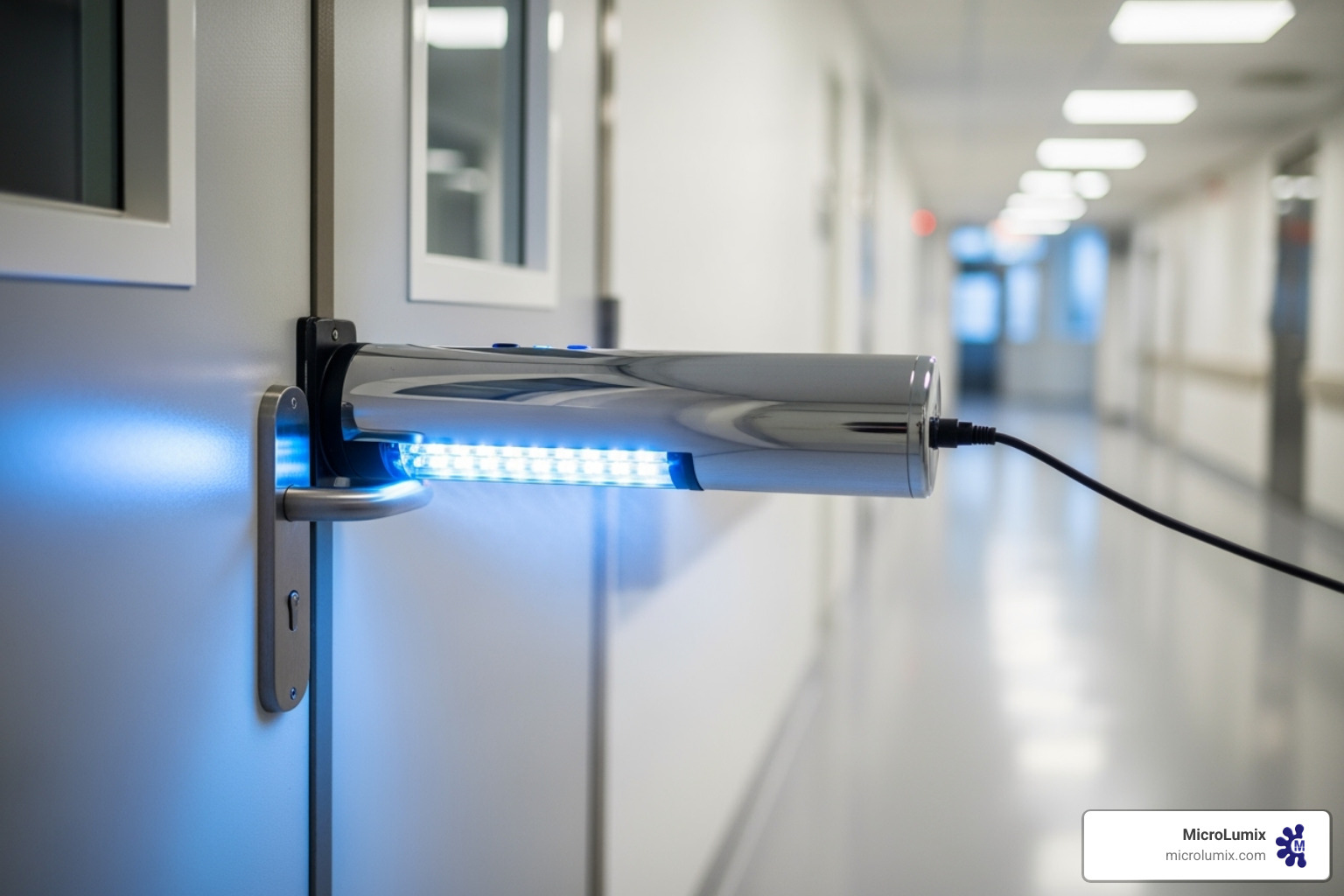
At MicroLumix, we’ve developed technology that addresses one of the most persistent challenges in preventing hospital acquired infections: contaminated touchpoints. Our GermPass system isn’t just another piece of equipment – it’s a game-changer that automatically sanitizes high-touch surfaces the moment someone uses them.
Think about how many times a day patients, visitors, and staff touch call buttons, door handles, and other surfaces in healthcare facilities. Each touch is a potential opportunity for pathogen transmission. GermPass eliminates that risk by using self-sealing UVC chambers to achieve 99.999% pathogen elimination immediately after every touch.
Located right here in Jacksonville, Florida, we’re proud to be developing technology that makes healthcare safer for everyone. Our automated disinfection approach means that busy healthcare workers don’t have to remember one more task – the system does the work for them, consistently and reliably.
The future I envision is one where hospital acquired infections become increasingly rare, not because we’ve made healthcare sterile and unwelcoming, but because we’ve made it smarter and safer. When human dedication meets innovative technology, remarkable things happen.
Learn more about automated touchpoint disinfection