
The Critical Need for Advanced Disinfection in Healthcare
Hospital grade disinfection represents the highest standard for pathogen elimination in healthcare environments. The stakes are incredibly high: 1 in 31 hospital patients will contract a Healthcare-Associated Infection (HAI) during their stay, contributing to nearly 100,000 deaths and $28 billion in healthcare costs annually.
Key Facts About Hospital Grade Disinfection:
- Eliminates 99.9% to 99.999% of bacteria, viruses, fungi, and spores
- Uses EPA-registered products specifically tested for healthcare use
- Involves three levels of disinfection: low-level, high-level, and sterilization
- Relies on pathogen-specific kill claims with precise contact times
The core challenge is that harmful microorganisms can survive on surfaces for days or even months, creating invisible chains of transmission. Hospital grade disinfection is not just about using strong chemicals; it’s about breaking the chain of infection through systematic processes that cover every surface and device.
I’m Debra Vanderhoff, Founder and COO of MicroLumix. With over 20 years of experience developing automated disinfection systems, I’ve seen how technology can address the gaps left by even the most diligent manual cleaning.
What Is Hospital-Grade Disinfection?
Hospital grade disinfection is a scientifically rigorous approach to eliminating 99.9% to 99.999% of harmful microorganisms—including bacteria, viruses, fungi, and stubborn bacterial spores. It creates an environment safe enough for life-saving medical procedures, going far beyond typical household cleaning.
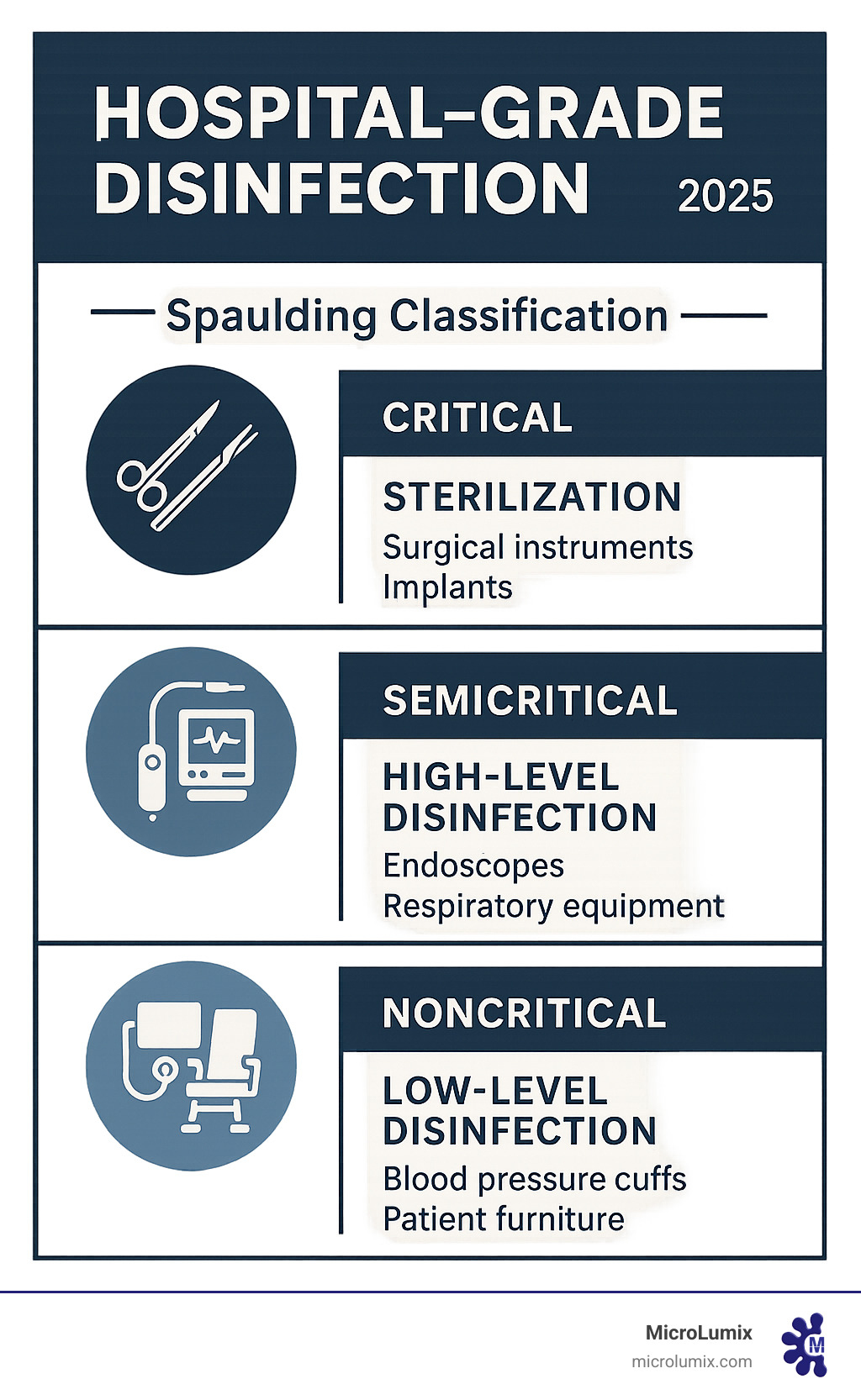
To be considered “hospital grade,” a disinfectant must earn EPA registration by proving its effectiveness against specific pathogens in controlled laboratory settings. This legal requirement ensures the product performs as claimed. Healthcare facilities use three main levels of disinfection based on the item’s risk level:
- Low-level disinfection is for environmental surfaces like patient furniture and floors.
- High-level disinfection is for semicritical items like endoscopes that contact mucous membranes.
- Sterilization, the highest standard, eliminates all microbial life, including spores, from critical instruments that enter sterile body areas.
The science behind these standards is precise. Each disinfectant has proven kill claims against specific microorganisms, and its label specifies the required contact time for maximum effectiveness. Following the CDC’s evidence-based guidelines is essential for using these powerful tools correctly.
The Purpose of Hospital-Grade Disinfection
The primary purpose of hospital grade disinfection is to protect vulnerable patients—such as those recovering from surgery, premature babies in the NICU, or cancer patients with weakened immune systems. Preventing cross-contamination is the first line of defense. Without proper disinfection of items like blood pressure cuffs or stethoscopes, pathogens can easily spread from one patient to another.
Environmental surfaces like bedrails, call buttons, and doorknobs are high-touch areas that can become reservoirs for germs. Medical equipment also requires meticulous cleaning and disinfection between uses. The ultimate goal is reducing HAI rates and creating a safe healthcare environment where patients can heal without the added threat of infection.
Understanding EPA Efficacy Requirements
The EPA’s registration process is stringent. Each product must substantiate its kill claims through standardized testing. These claims are legally binding and detail what the disinfectant can eliminate.
- A bactericidal claim is the minimum requirement.
- Virucidal claims specify effectiveness against viruses.
- Fungicidal claims target molds and yeasts.
- Tuberculocidal claims indicate power against resistant bacteria like Mycobacterium tuberculosis.
The gold standard is a sporicidal claim, which means the product can eliminate bacterial spores, the most resilient microbial life. These disinfectants are crucial for combating pathogens like C. difficile and are found on EPA’s List K for C. difficile spores. Every claim is tied to specific instructions for contact time, dilution, and application, ensuring reliable and repeatable results.
Common Disinfectants and Their Active Ingredients

Hospitals use a wide array of hospital grade disinfection products, including wipes, sprays, and concentrates. Choosing the right one requires understanding its active ingredients, as not all disinfectants are suitable for every situation. The active ingredient is what destroys bacteria, viruses, and other microorganisms.
Surface compatibility is also a key factor, as some effective chemicals can damage delicate medical equipment. Safety for patients and staff is paramount, and Personal Protective Equipment (PPE) requirements vary based on the chemical’s properties.
Chemical Agents in Hospital-Grade Disinfectants
Let’s explore the primary chemical agents used in hospital grade disinfection:
-
Quaternary Ammonium Compounds (Quats): These are the workhorses of daily cleaning. They are effective against many bacteria and some viruses and are relatively gentle on surfaces and people, making them common in surface cleaners and wipes.
-
Chlorine compounds (Bleach): Sodium hypochlorite is a powerful disinfectant effective against bacteria, viruses, and spores. It’s often used for blood spills but can be corrosive, has a strong odor, and requires careful handling.
-
Hydrogen Peroxide: This broad-spectrum disinfectant breaks down into harmless water and oxygen. While environmentally friendly, higher concentrations can be harsh on some materials and cause skin irritation.
-
Alcohols (Ethanol and Isopropanol): These work quickly and evaporate, making them ideal for small items like stethoscopes. However, they are not effective against bacterial spores.
-
Hypochlorous Acid (HOCl): An emerging and effective agent, HOCl is a powerful disinfectant that is also gentle and has a near-neutral pH. It is 80-100 times more powerful than bleach but breaks down into simple salt water. This makes it a safer alternative, as research shows that traditional disinfectants can be associated with health problems like airway irritation and asthma in healthcare workers.
-
Phenolics: Once common, their use has declined due to environmental and toxicity concerns. They are effective against a wide range of microorganisms but are not sporicidal.
Choosing the Right Disinfectant
Selecting the right disinfectant involves balancing several factors:
- Efficacy against specific pathogens: The product must be effective against the target microorganisms.
- Surface material compatibility: The disinfectant should not damage equipment or surfaces.
- Staff and patient safety: The product should have a low toxicity profile and minimal fumes.
- Ease of use: Simpler application processes improve compliance.
- Cost-effectiveness: This includes price, dilution ratios, and shelf life.
- Storage requirements: Some products require specific temperature or light conditions.
What Is Hospital-Grade Disinfection?
Hospital grade disinfection is a systematic process for eliminating invisible microbial threats in healthcare settings. Unlike regular cleaning, which removes visible dirt, hospital grade disinfection uses EPA-registered chemical agents to destroy pathogens like bacteria, viruses, and fungi with an efficacy of 99.9% or higher.
The level of disinfection required is determined by the risk of infection associated with a medical device or surface. The Spaulding Classification system, shown in our earlier infographic, provides a clear framework:
- Critical medical devices (e.g., surgical instruments) that enter sterile tissue must be sterilized to eliminate all microbial life, including bacterial spores.
- Semicritical equipment (e.g., endoscopes) that touches mucous membranes requires high-level disinfection, which kills all microorganisms except high numbers of spores.
- Noncritical surfaces (e.g., blood pressure cuffs) that only contact intact skin need low-level disinfection.
The Purpose of Hospital-Grade Disinfection
The core mission of hospital grade disinfection is to protect lives by breaking the chain of infection. This involves preventing cross-contamination between patients, disinfecting high-touch environmental surfaces, and properly reprocessing medical equipment. By reducing HAI rates, we create a safe healthcare environment where patients can heal without fear of acquiring a new infection.
Understanding EPA Efficacy Requirements
Every hospital grade disinfectant must be EPA-registered, with proven “kill claims” against specific microorganisms. These claims range from bactericidal (kills bacteria) and virucidal (kills viruses) to the more stringent tuberculocidal and sporicidal (kills spores) ratings. The product label is a critical guide, detailing the required contact time—how long the surface must remain wet—to achieve the claimed efficacy.
Common Disinfectants and Their Active Ingredients
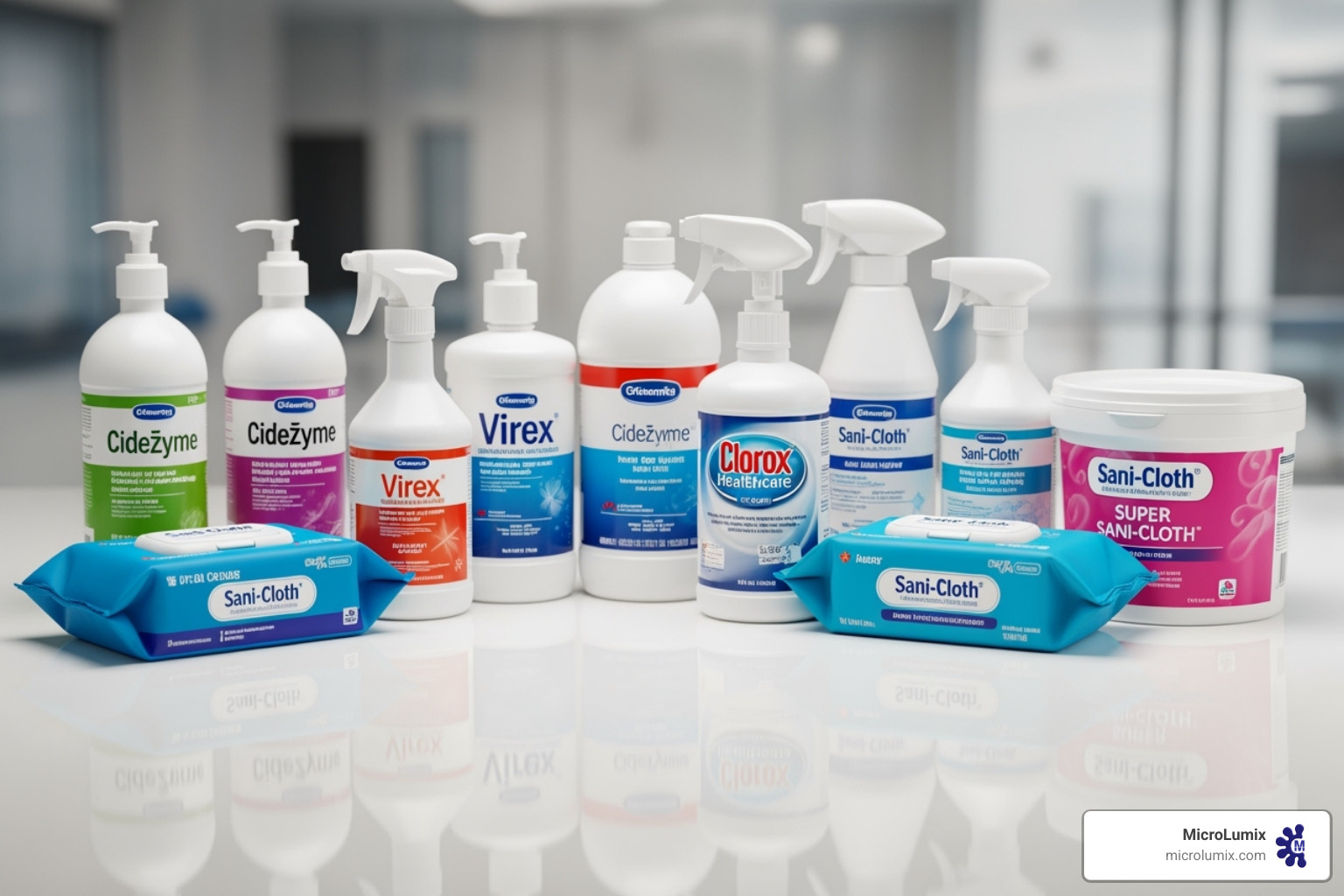
The world of hospital grade disinfection includes various chemical formulations designed to kill 99.9% or more of harmful microbes. When selecting a disinfectant, key considerations include its active ingredients, surface compatibility, and safety for patients and staff, which often dictates the need for Personal Protective Equipment (PPE).
Chemical Agents in Hospital-Grade Disinfectants
Here are the key chemical agents that power hospital-grade disinfectants:
- Quaternary Ammonium Compounds (Quats): Common in daily cleaners for their low toxicity and good surface compatibility.
- Chlorine Compounds (e.g., Bleach): A potent, broad-spectrum disinfectant effective against spores, but can be corrosive and requires careful handling.
- Hydrogen Peroxide: A versatile disinfectant that breaks down into water and oxygen, leaving no harmful residues.
- Alcohols (Ethanol, Isopropanol): Used for rapid disinfection of small surfaces, but not effective against spores.
- Hypochlorous Acid (HOCl): A highly effective agent that is powerful yet non-toxic and gentle on surfaces. Its biocompatibility makes it a safer choice, as traditional disinfectants can cause health issues like asthma, according to the National Institutes of Health. HOCl is approved by the FDA, USDA, and EPA for various applications.
- Thymol: A botanical active ingredient that offers a natural, one-step cleaning and disinfection solution without harsh chemicals.
Choosing the Right Disinfectant
Selecting the appropriate hospital grade disinfectant is a strategic decision. The choice depends on the specific pathogens of concern, the type of surface being treated, and the safety of staff and patients. A one-size-fits-all approach is ineffective; facilities must balance efficacy, safety, and practicality to ensure the best outcomes.
Protocols for Cleaning and Disinfecting in Hospitals
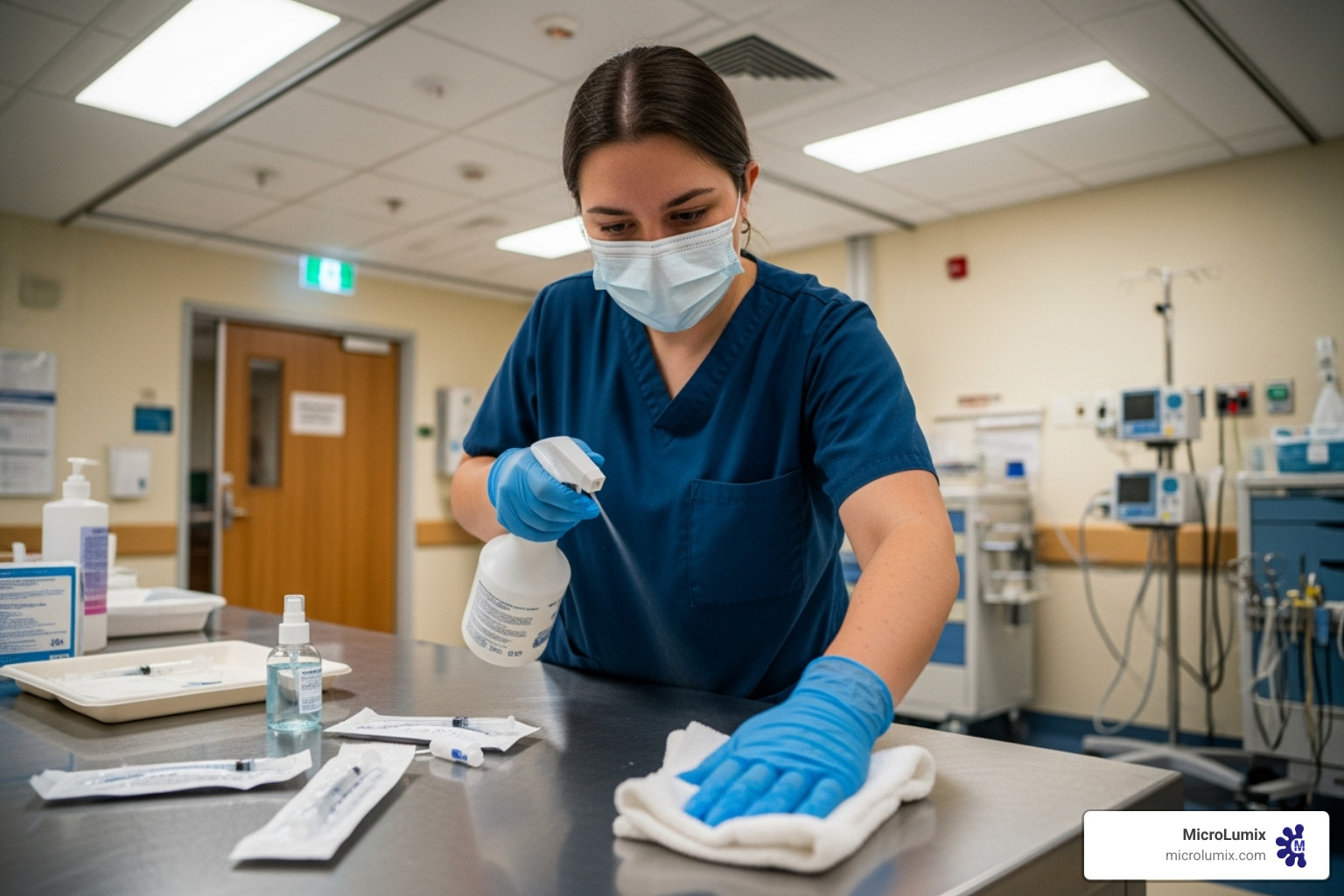
Effective hospital grade disinfection relies on precise protocols. A core principle is that “you can’t disinfect dirt.” Before any disinfectant is applied, surfaces must be thoroughly cleaned to remove organic matter like blood and tissue, which can shield pathogens. This initial step often involves detergents and enzymatic cleaners to break down biofilms where microbes hide.
The cleaning process targets microscopic threats on high-touch surfaces like bedrails, call buttons, and doorknobs, as well as broader environmental surfaces. Patient care devices also require meticulous cleaning before disinfection. Proper storage and correct dilution of disinfectants are equally crucial to ensure their effectiveness.
CDC Recommended Procedures
The Centers for Disease Control and Prevention provides battle-tested protocols for infection control. Regular cleaning schedules are fundamental, with surfaces and items cleaned daily or after each use to prevent pathogen buildup. Decontaminating spills of blood or other infectious materials requires immediate action with appropriate EPA-registered disinfectants.
Terminal room cleaning is a comprehensive process performed after a patient is discharged to reset the environment for the next occupant. The approach is custom to risk levels: noncritical surfaces receive low-level disinfection, semicritical devices require high-level disinfection or sterilization, and critical instruments must always be sterilized. Throughout these procedures, staff must wear appropriate personal protective equipment.
The Importance of Proper Application
Even the best disinfectant is useless if not applied correctly. Dwell time, the period a disinfectant must remain wet on a surface to kill pathogens, is the most critical factor. Other key techniques include:
- Wet-dusting to trap microbes instead of spreading them.
- Avoiding cross-contamination by using fresh cloths and mop heads for each area.
- Following manufacturer instructions for dilution, application, and contact time.
- Staff training and competency to ensure everyone understands the science behind the protocols.
These manual processes are the foundation of disinfection but have inherent limitations, creating gaps that technology can help address.
The Future of Disinfection: Advancements in Technology
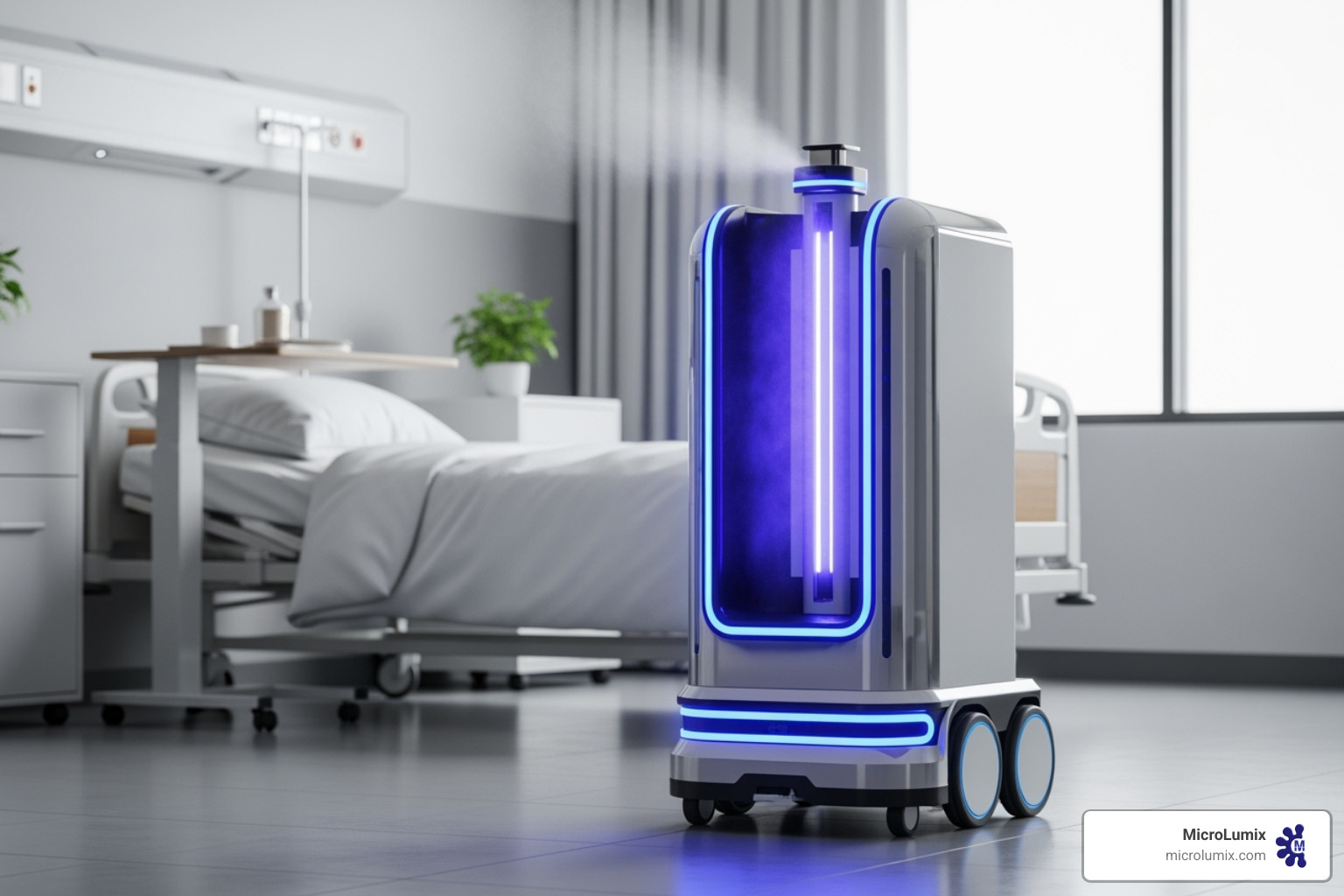
Even with rigorous protocols, manual cleaning and disinfection face real-world challenges. Human error, fatigue, and time constraints can lead to missed spots or inconsistent application. With 1 in 31 patients still contracting HAIs, it’s clear that working harder isn’t enough; we must work smarter. This is where technology can fill the gaps left by manual processes.
High-touch surfaces like doorknobs and elevator buttons can become re-contaminated minutes after being cleaned. Traditional cleaning schedules struggle to keep pace with this constant microbial turnover in busy healthcare environments.
Innovations in Surface Disinfection
The field of surface disinfection is evolving to address the limitations of conventional methods. Advanced application systems are improving coverage, ensuring disinfectants reach hard-to-clean areas. We are also seeing improved disinfectant formulations that offer powerful pathogen-killing action with better safety profiles, faster contact times, and fewer harmful residues.
Another exciting frontier is antimicrobial surfaces, such as materials infused with copper or silver that inherently resist microbial growth. While not a replacement for regular disinfection, they provide an additional, continuous layer of protection.
Automated Disinfection Solutions
Automated disinfection systems are revolutionizing infection control by delivering consistent, reliable results without human variability. The mechanism of action varies, with some systems using UV-C light to destroy pathogens’ DNA, while others use advanced chemical applications. The key benefit is the elimination of inconsistent application.
Regarding efficacy against pathogens, automated systems can achieve kill rates of 99.999% against a broad spectrum of microbes. This consistency is crucial for breaking the chains of infection that manual cleaning can sometimes miss. Most importantly, automated systems excel at consistent touchpoint disinfection. They can target high-risk areas like elevator buttons, door handles, and call buttons continuously, ensuring they are disinfected immediately after contact. This prevents pathogens from accumulating and spreading, providing a vital safety net that complements the essential work of healthcare staff.
Conclusion: Elevating Patient Safety with Smarter Disinfection
With nearly 1.7 million patients acquiring a Healthcare-Associated Infection annually, the need for superior disinfection is undeniable. These infections represent real people and families, and the 1 in 31 statistic is a call to action.
Effective hospital grade disinfection is more than just using the right chemicals; it’s a comprehensive strategy. We’ve explored the rigorous EPA standards, the science behind different disinfectants, and the critical protocols that form the foundation of infection control. However, even the most dedicated professionals are human, and manual cleaning has inherent limitations.
This is where the future of disinfection becomes exciting. Automated disinfection solutions are not meant to replace human expertise but to amplify it. These systems work tirelessly to provide consistent touchpoint disinfection, eliminating the variability of manual processes on high-risk surfaces like elevator buttons, door handles, and patient call buttons.
By combining essential manual cleaning with advanced automation, we create powerful layers of protection. Manual cleaning addresses broad surface areas, while automated systems provide a constant guard on the critical touchpoints where transmission occurs most frequently.
At MicroLumix, we believe this multi-faceted approach is the key to changing healthcare environments. Our GermPass technology uses self-sealing UVC chambers to achieve 99.999% efficacy against pathogens on high-touch surfaces, creating an environment where healing can happen without the constant threat of infection. The path forward is to unite human dedication with technological innovation to ensure patient safety.
Learn more about automated disinfection solutions and find how we are helping create safer healthcare environments where infection risk becomes a thing of the past.