
Why Healthcare Facilities Are Racing to Adopt Advanced Infection Control Technology
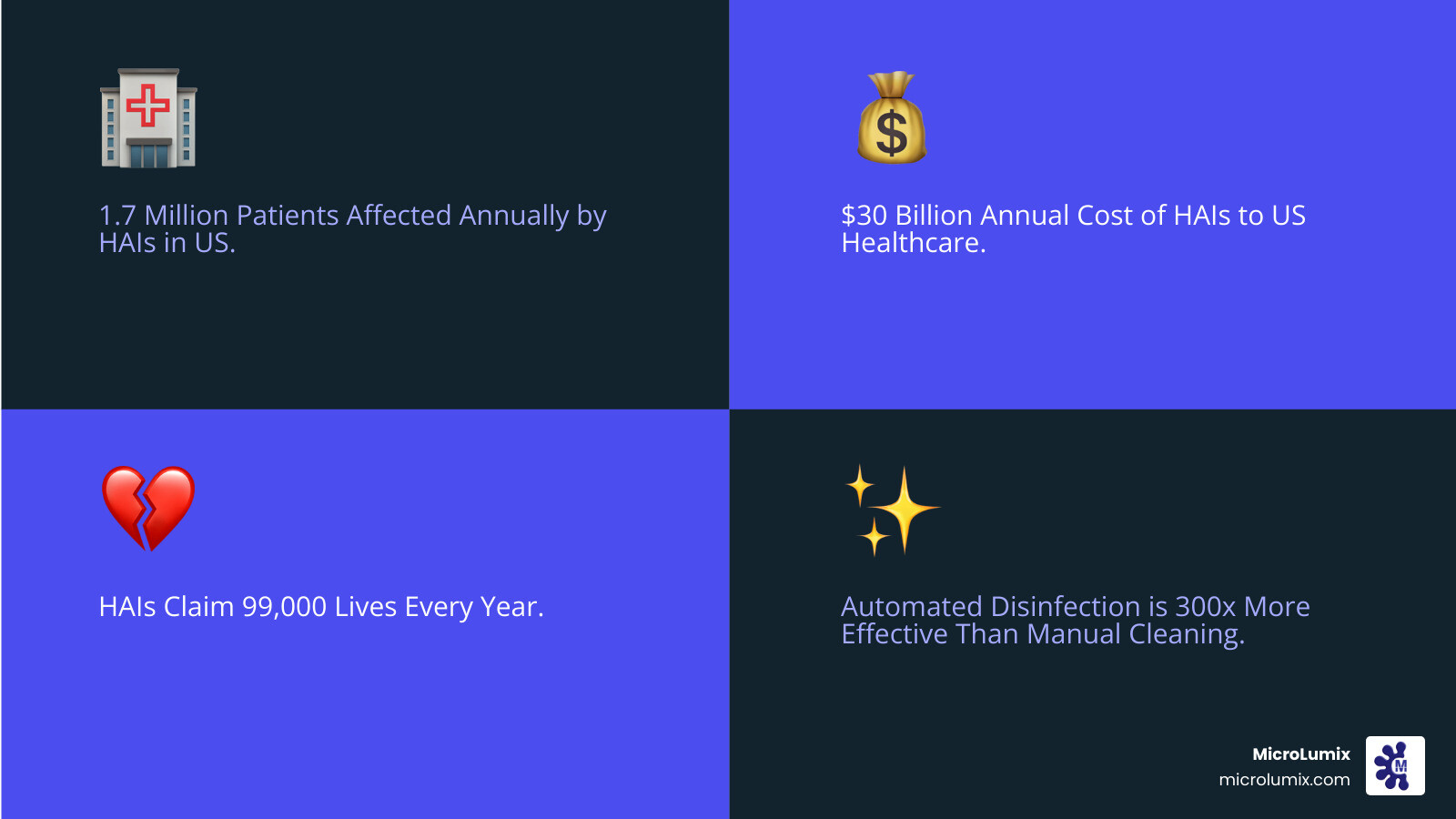
Infection control technology is the frontline defense against healthcare-associated infections (HAIs), which affect 1.7 million US patients and claim 99,000 lives annually. Here’s what healthcare administrators need to know:
Key Categories of Infection Control Technology:
- AI-powered surveillance – Predicts outbreaks and monitors infection patterns in real-time
- Automated disinfection systems – UV-C devices, fogging systems, and antimicrobial surfaces
- Smart monitoring devices – Environmental sensors, hand hygiene trackers, and wearable health monitors
- Digital health platforms – Telemedicine, electronic health records with decision support
- Advanced PPE – Smart textiles with embedded sensors and sustainable materials
The numbers are stark: HAIs cost the US healthcare system $30 billion annually, with cases costing $10,000 to $30,000 per bed. As one infection preventionist noted: “Getting those precautions real-time is the key to reducing spread of infection.”
Traditional manual cleaning misses up to 60% of surfaces during terminal cleaning. This gap sparked a technological revolution, with automated systems achieving 300x better disinfection than manual methods.
The shift is clear: Healthcare is moving from reactive to proactive prevention. Once-futuristic technologies like UV-C robots and AI outbreak prediction are now standard in leading hospitals.
As Debra Vanderhoff, Founder and COO of MicroLumix Bioscience Technology and GermPass, I’ve spent over 20 years developing infection control technology solutions that create safer environments for healthcare facilities worldwide. My experience spans biotechnology innovation and business operations, focusing on automated disinfection systems that eliminate the gaps left by manual processes.
The Digital Shield: AI, Data, and Smart Monitoring in Infection Prevention
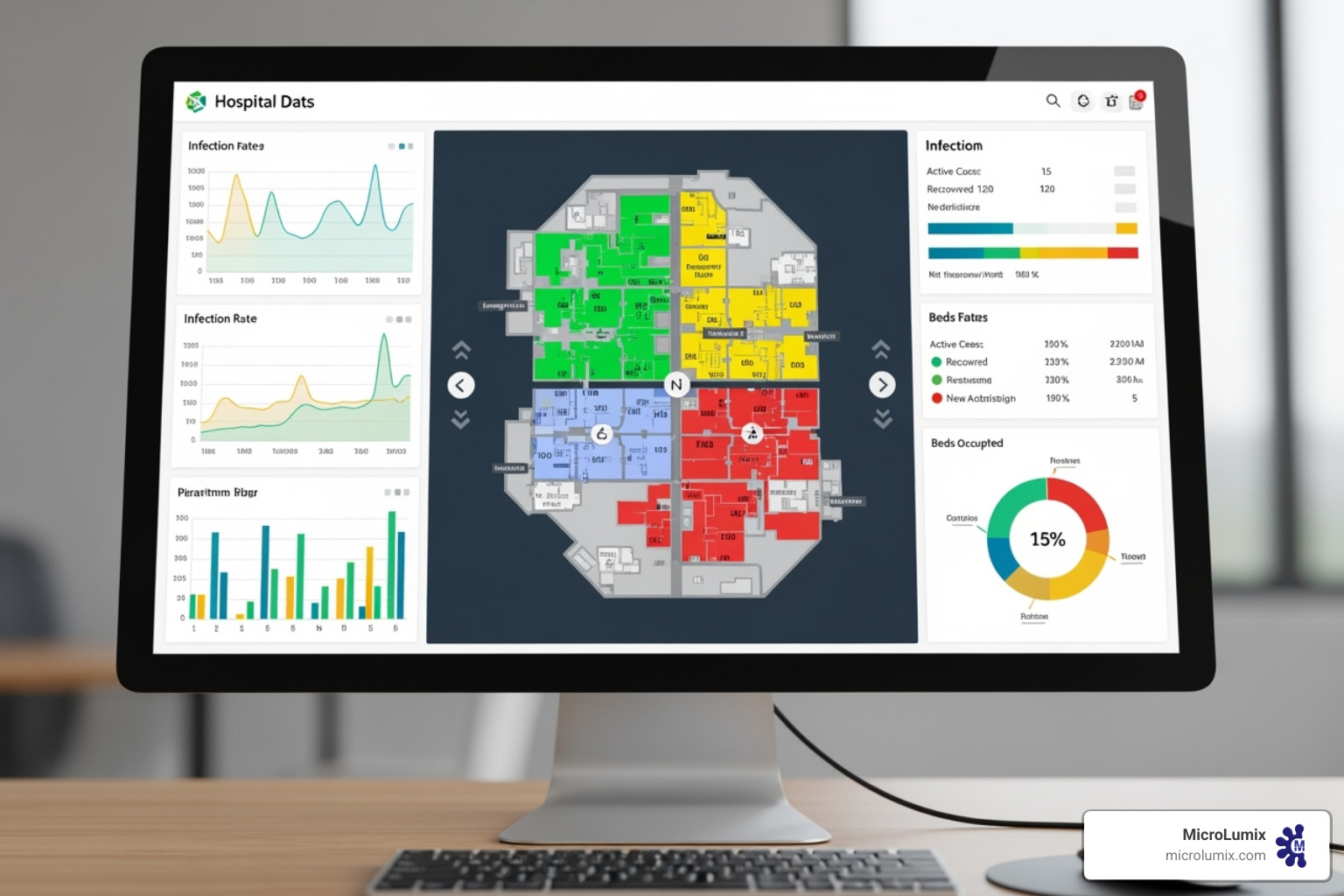
Modern hospitals have a digital immune system. Infection control technology works behind the scenes to spot, predict, and stop germs before they spread.
This revolution transforms patient protection. Instead of reacting to infections, we can proactively stop them, using data to predict trouble.
AI and Machine Learning: Predicting the Invisible
Artificial intelligence essentially predicts where the next outbreak might strike. AI systems analyze vast amounts of data from Electronic Health Records, spotting patterns that humans would miss.
Predictive analytics has become a game-changer. AI analyzes patient history and environmental factors to predict which patients face the highest infection risk, identifying trends in specific rooms or procedures.
The real magic happens with automated surveillance. AI does the heavy lifting, using Natural language processing to read clinical notes and flag potential infections that might otherwise be missed. It’s a tireless assistant that never misses a detail.
This technology has already proven itself. Hospitals using AI-powered systems catch infections earlier and deploy their teams more effectively. The result? Better patient outcomes and fewer missed cases. Scientific research on AI in healthcare continues to show promising results across the board.
Smart Monitoring: A Network of Sentinels for Infection Control
Smart monitoring adds invisible, 24/7 digital sentinels to every room, tracking everything that affects patient safety.
Environmental sensors act as the facility’s early warning system. They track air quality monitoring, humidity, and temperature in real-time. When conditions favor germ growth, these sensors sound the alarm, and some systems can even automatically adjust air filtration.
Wearable devices and real-time patient monitoring have transformed how we catch infections early. These tiny sensors track vital signs continuously, spotting subtle changes that might signal trouble brewing. A slight uptick in heart rate or temperature that might go unnoticed gets flagged immediately.
A direct impact comes from electronic hand hygiene tracking. These systems monitor staff handwashing, providing consistent, discreet feedback. The result is Increased compliance, often encouraged with reminders or gamification.
Data Analytics: From Information to Action
Data analytics turns raw numbers into clear, life-saving action plans.
Real-time infection tracking lets facilities see patterns as they develop. This bird’s-eye view enables data-driven decision-making that targets problems precisely.
Identifying transmission patterns has become incredibly sophisticated. Analytics can trace how infections move through a facility, revealing unexpected connections, such as issues in recovery areas instead of the operating room.
Antimicrobial stewardship benefits enormously from smart analytics. These systems monitor antibiotic use and guide doctors toward the most effective treatments while reducing resistance risks. Dashboard tools provide real-time guidance to help medical teams make the best choices.
This power also extends to resource allocation and public health reporting. Facilities can deploy resources effectively and share critical data with health authorities, making healthcare safer for everyone.
Automated and Advanced Disinfection: The New Standard of Clean
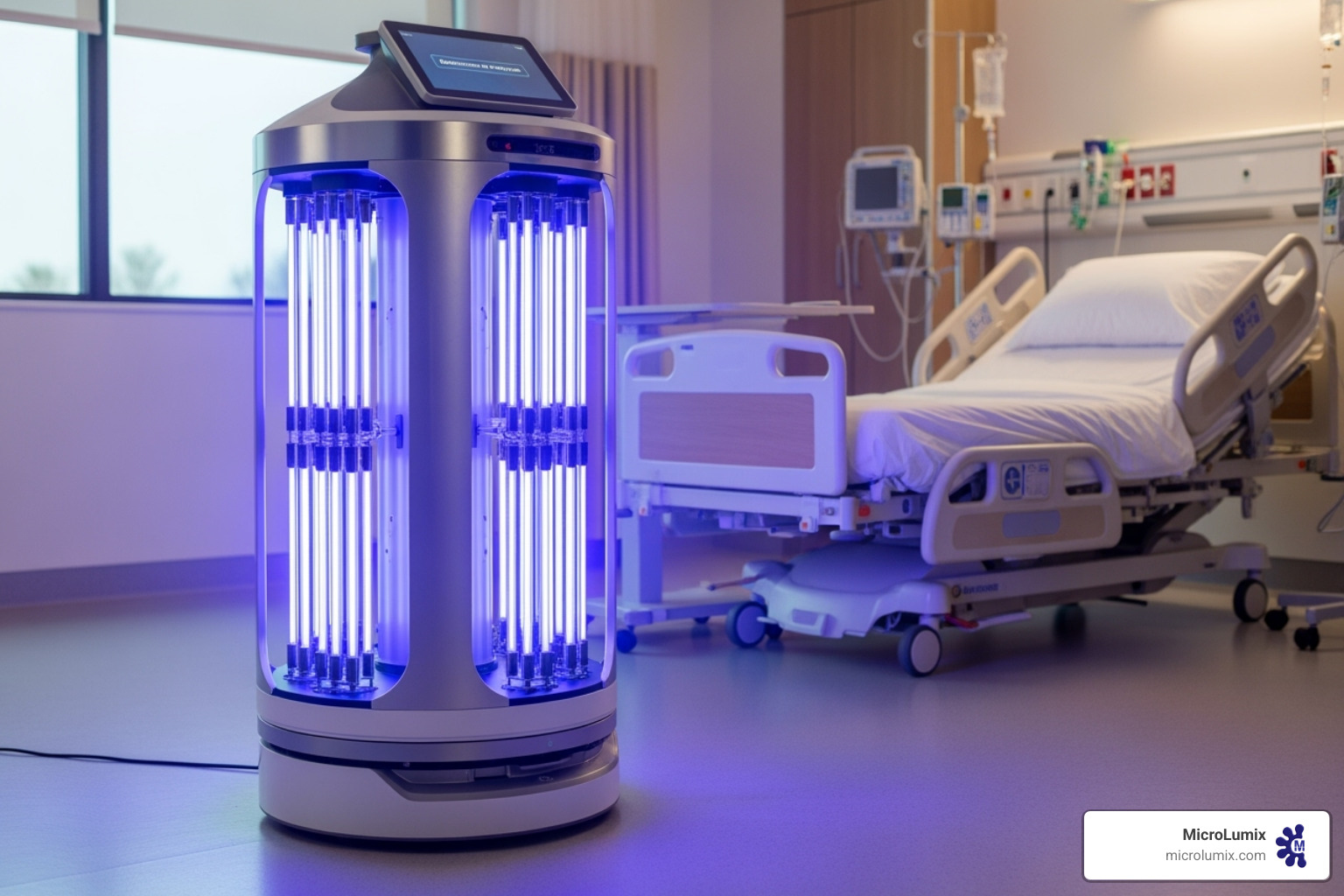
Cleanliness in healthcare now requires certainty, not just appearances. Automated and advanced disinfection technologies are changing how we think about creating a truly clean environment.
The reality is that manual cleaning misses 56% of surfaces during terminal cleaning due to human limitations. Infection control technology has evolved to fill these critical gaps.
No-Touch Disinfection and Advanced Surface Technology
Ultraviolet C germicidal irradiation is a powerful disinfectant that works by disrupting the DNA and RNA of pathogens, preventing them from reproducing or causing harm.
Automated UV-C devices have become the workhorses of modern disinfection. These systems sanitize entire rooms with consistent, reliable results. During the pandemic, we saw how effectively UV-C devices inactivated airborne SARS-CoV-2. Now they’re proving their worth against multidrug-resistant organisms and C. difficile.
At MicroLumix, we’ve advanced UV-C technology with GermPass. Instead of waiting to disinfect an empty room, GermPass tackles high-touch surfaces at the source, where germs hitchhike from person to person.
After every touch of a door handle or elevator button, GermPass immediately sanitizes the spot using self-sealing UV-C chambers. It automatically achieves 99.999% efficacy against pathogens, acting as an invisible, tireless guardian.
Fogging systems offer another powerful approach, achieving 100% surface and air contact. Unlike UV, fogging reaches every nook and cranny and can reduce labor time by up to 64%, freeing up staff for patient care.
Antimicrobial surfaces and self-disinfecting coatings, often using copper or silver, create environments that actively inhibit germ survival. While research on their direct impact on HAIs continues, they add a valuable layer of passive protection.
For guidance on choosing the right disinfection methods and products for your facility, the EPA provides comprehensive resources to help you make informed decisions.
Innovations in Personal Protective Equipment (PPE)
PPE has come a long way from basic masks and gowns. Today’s innovations are turning protective equipment into smart, sustainable, and more effective barriers.
Smart textiles are revolutionizing protection. Imagine a gown that detects pathogens or gloves that monitor their own integrity. These embedded sensors are turning PPE into active defense systems.
The pandemic highlighted the need for sustainable options. Innovators are developing reusable PPE with high-tech materials that maintain protective standards through multiple sterilization cycles.
Improved filtration technology is making PPE more effective and comfortable. Better breathability and ergonomic design improve comfort, reducing fatigue and skin irritation. This increases compliance, as protection only works if it’s worn properly.
The goal isn’t just to protect – it’s to protect comfortably and sustainably. When healthcare workers feel good in their PPE, compliance goes up, and everyone stays safer. To dive deeper into the science behind these advanced materials, you can explore more about antimicrobial textiles and their applications in healthcare.
The Human Element: Enhancing Protocols with Technology
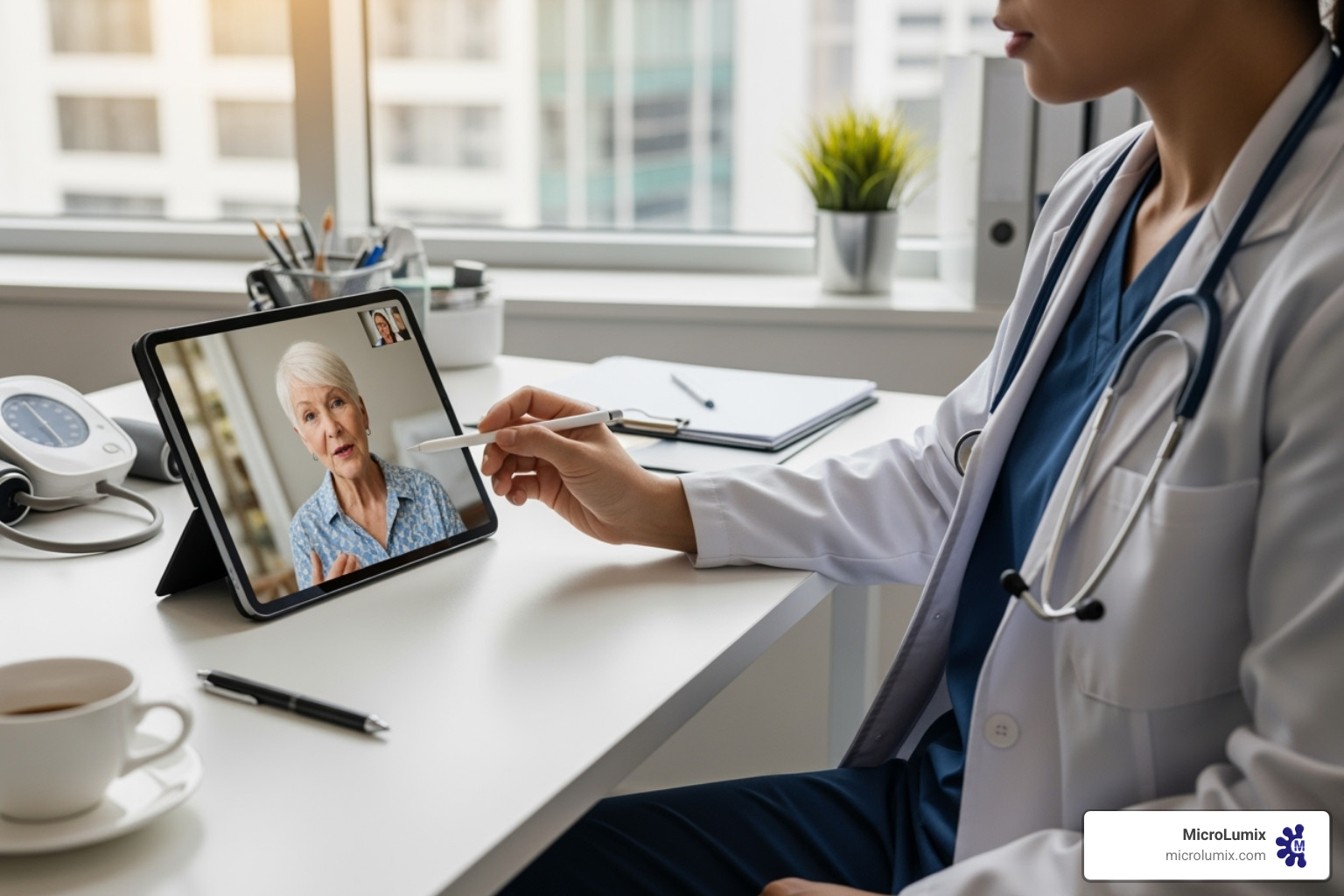
Infection control technology doesn’t replace the human touch; it improves it. It gives healthcare workers tools to focus on patient care while technology handles safety protocols.
When a nurse doesn’t have to worry about disinfecting a door handle, they can focus on their patient. That’s the power of combining human expertise with smart technology.
Telemedicine’s Role in Modern Infection Control Technology
Telemedicine has changed the doctor’s visit, becoming a powerful tool against spreading infection.
Reduced facility traffic is the most obvious benefit. Remote follow-ups cut down on the number of people in facilities, reducing opportunities for germ transmission.
Telemedicine also enables effective remote diagnosis and virtual consultations for symptom assessment and care management, preventing unnecessary exposure.
Telemedicine excels in post-discharge monitoring, especially for surgical site infection surveillance. Patients can send photos of incisions to their care team, allowing for early detection of potential infections.
Patient education is also transformed. Providers can use video calls to demonstrate proper wound care or explain isolation procedures, answering questions in real-time.
Evolving Hygiene Protocols and Staff Education
Traditional staff education on topics like hand hygiene can be unengaging. The evolution of training methods has been a game-changer.
Virtual Reality simulations make training engaging. Staff can practice procedures like PPE removal in a safe, virtual environment, building muscle memory for high-stress situations.
Gamification makes training enjoyable. Leaderboards, badges, and team challenges create a positive culture around infection prevention and protocol adherence.
Digital checklists have eliminated the guesswork from complex procedures. Instead of relying on memory, healthcare workers can follow step-by-step digital guides that ensure nothing gets missed.
The foundation of all this innovation remains the CDC’s standard precautions. Technology isn’t changing these fundamental principles; it’s making them easier to follow consistently.
Ongoing training has moved from annual requirements to continuous, bite-sized learning that fits into busy schedules, keeping safety knowledge fresh.
Global Collaboration and Standardization
Recent global health events proved that germs don’t respect borders. A new pathogen can spread worldwide in weeks, making global collaboration essential.
Data sharing between countries and health systems has accelerated. When hospitals share experiences with new treatments or prevention strategies, everyone benefits.
WHO guidelines provide the framework for international standards, creating a common language for infection prevention that transcends cultural and linguistic barriers.
Pandemic preparedness has moved from theoretical planning to practical, technology-enabled systems. Early warning networks can now detect unusual infection patterns and alert health authorities globally within hours. The WHO Global Report on Infection Prevention and Control outlines how these collaborative efforts are strengthening our collective defense against infectious diseases.
Technology enables this collaboration in real-time. Healthcare workers can share best practices, compare data, and coordinate responses across continents via digital platforms, building a global immune system for healthcare.
The Business of Safety: ROI and Implementation of New Technologies
Healthcare administrators must balance patient care with financial decisions. With infection control technology, these goals align. Investing in prevention is not just morally right; it’s a smart business move.
Calculating the Economic Impact and ROI
The numbers are compelling: HAIs cost the U.S. healthcare system $28 billion annually in direct hospital costs, not including the human cost.
A single HAI can cost a facility $10,000 to $30,000 per bed due to extended stays and additional treatments. Even small improvements in infection rates lead to massive savings.
Infection control technology is a financial ally, with investments paying for themselves quickly. For example, automated disinfection systems can cut labor costs by up to 64% while delivering consistent results. Freed-up staff can focus on patient care, improving outcomes and job satisfaction.
Benefits extend beyond cost savings. Faster patient recovery leads to improved pay-for-performance scores and a better community reputation. Higher patient satisfaction and positive word-of-mouth contribute to long-term financial health.
The math is clear: prevention costs far less than treatment. Every infection you prevent is money saved, lives protected, and reputation improved.
A Roadmap for Effective Implementation
Implementing new infection control technology requires a thoughtful, step-by-step approach custom to your facility’s unique needs.
Start with a thorough needs assessment. Look at your patient population, existing protocols, staff workflows, and specific infection challenges. The CDC’s infection control assessment tool can help identify your most pressing areas for improvement.
Stakeholder buy-in is crucial. Involve everyone from the C-suite to frontline staff. When the team understands the “why,” adoption is smoother, as they see how the technology makes their jobs easier and more effective.
Comprehensive staff training makes or breaks implementation. Invest in thorough training programs that cover both the technical aspects and the clinical reasoning behind each tool.
Consider a phased rollout approach. Start with one department, gather feedback, make adjustments, and then expand. This allows you to work out any kinks and build success stories that encourage adoption.
Integration with existing workflows is non-negotiable. New technology must streamline processes, not complicate them. Ensure it integrates with your existing IT infrastructure and EHRs to improve current workflows.
Finally, measure success continuously. Set clear goals for reducing HAI rates, improving compliance, or achieving labor savings. Regular monitoring ensures your investment delivers the promised returns.
The journey to implementing advanced infection control technology requires planning, but the destination – safer patients, happier staff, and stronger financial performance – makes every step worthwhile.
Frequently Asked Questions about Infection Control Technology
Healthcare administrators and infection preventionists often have pressing questions about implementing new infection control technology. Let me address the most common concerns I hear from facilities considering these investments.
What is the most impactful technology for reducing HAIs?
There’s no single magic bullet for reducing HAIs. The most effective approach combines multiple technologies.
The most impactful strategy involves layering different technologies to create comprehensive protection. Automated disinfection handles high-touch surfaces, electronic hand hygiene monitoring ensures proper hygiene, and advanced air filtration keeps airborne pathogens at bay.
The biggest difference comes from technologies that reduce human error. Since even dedicated workers can make mistakes, automated systems like our GermPass technology work tirelessly, sanitizing touchpoints after every use without relying on human compliance.
The key is choosing technologies that work seamlessly together and fit your facility’s specific needs.
How can smaller facilities afford advanced infection control technology?
Budget constraints are real, but advanced infection control technology often pays for itself quickly.
The return on investment is compelling. Preventing one HAI can save $10,000 to $30,000 by avoiding extended stays and extra treatments. Prevention is cheaper than treatment.
Smaller facilities have several funding options they can explore. State and federal grants often target infection prevention initiatives. Many technology providers offer flexible financing or leasing options that make advanced systems accessible with manageable monthly payments.
Scalable solutions make implementation practical. You don’t have to outfit your entire facility at once. Start with your highest-risk areas, then expand as you see results and budget allows.
Is AI replacing the role of infection preventionists?
Absolutely not. This is a common misconception. AI improves infection preventionists; it doesn’t replace them.
Think of AI as a research assistant for your infection prevention (IP) team. It handles tedious data collection and analysis, so AI automates the grunt work like scanning EHRs and flagging issues.
This automation frees up infection preventionists to focus on strategic thinking, education, and outbreak investigation. These human skills—critical thinking, communication, and clinical expertise—are irreplaceable.
AI makes IPs more effective, not obsolete. Instead of manually tracking infection rates, they can focus on targeted interventions and training. The tool doesn’t replace the expert; it improves their capabilities.
Conclusion
We are at a turning point in healthcare safety. The infection control technology revolution is fundamentally changing how we think about patient protection.
We’ve moved from hoping manual cleaning is enough to using AI that predicts outbreaks. We’ve shifted from reactive to proactive prevention, with smart sensors and automated systems eliminating pathogens 24/7.
The numbers speak for themselves. With manual cleaning missing up to 60% of surfaces and HAIs costing $30 billion annually, these technologies are essential tools for saving lives and resources.
Most importantly, these technologies empower our healthcare heroes to focus on patient care. When AI handles data, automated systems disinfect, and smart monitors alert, clinicians can spend more time at the bedside.
The future is already here in many facilities. UV-C robots patrol hospital corridors, telemedicine connects patients with specialists, and systems like our GermPass provide continuous protection at the exact moments when contamination is most likely to occur.
As we look ahead, the shift from manual to automated processes will only accelerate. The facilities embracing these innovations today are creating safer environments for everyone who walks through their doors.
This is about building a healthcare system where preventable infections are truly prevented, data guides decisions, and every touchpoint is an opportunity for protection.
Ready to see how automated UV-C technology can transform your facility’s infection control? Learn more about our GermPass technology and find how we’re making healthcare safer, one touch at a time.