
Why Hospital Infections Are a Critical Safety Challenge
Reduce hospital infections is one of the most pressing challenges facing healthcare facilities today. Healthcare-associated infections (HAIs) affect approximately 1.7 million patients annually while receiving treatment for unrelated conditions, with roughly 98,000 deaths resulting from these preventable infections.
Quick Answer: Top 5 Ways to Reduce Hospital Infections:
- Improve hand hygiene compliance – Currently only 40% adherence rate among healthcare workers
- Improve environmental cleaning protocols – Focus on high-touch surfaces and terminal cleaning
- Implement proper use of Personal Protective Equipment (PPE)
- Remove invasive devices promptly – Catheters and IV lines increase infection risk
- Deploy automated disinfection technology – Bridge gaps left by manual cleaning
The statistics paint a stark picture. Catheter-associated urinary tract infections (CAUTIs) make up 32% of all HAIs, while surgical site infection (SSI) account for 22%, and Central line-associated bloodstream infection (CLABSI) make up 14%. Ventilator-associated pneumonia (VAP) accounts for 15%. These numbers translate to approximately $45 billion in direct hospital costs annually.
The challenge isn’t just clinical – it’s operational. Studies show that only 40% of near-patient surfaces are properly cleaned according to hospital policies, creating dangerous gaps in infection prevention. This is where the intersection of healthcare expertise and innovative technology becomes critical.
As Debra Vanderhoff, Founder and COO of MicroLumix Bioscience Technology, I’ve spent over 20 years developing automated disinfection systems specifically designed to reduce hospital infections through chemical-free, rapid decontamination technology. My experience spans biotechnology innovation and healthcare operations, focusing on solutions that create safer environments for patients and staff.
The Unseen Enemy: Understanding How Hospital Infections Spread
Healthcare-associated infections (HAIs) are a serious threat, turning places of healing into sources of new health challenges. These preventable infections have a staggering financial impact, with direct medical costs exceeding $28 billion each year. As researchers note, HAIs represent “one of the main problems in terms of morbidity, mortality, and costs that public health is currently facing.” Scientific research on HAI occurrence.
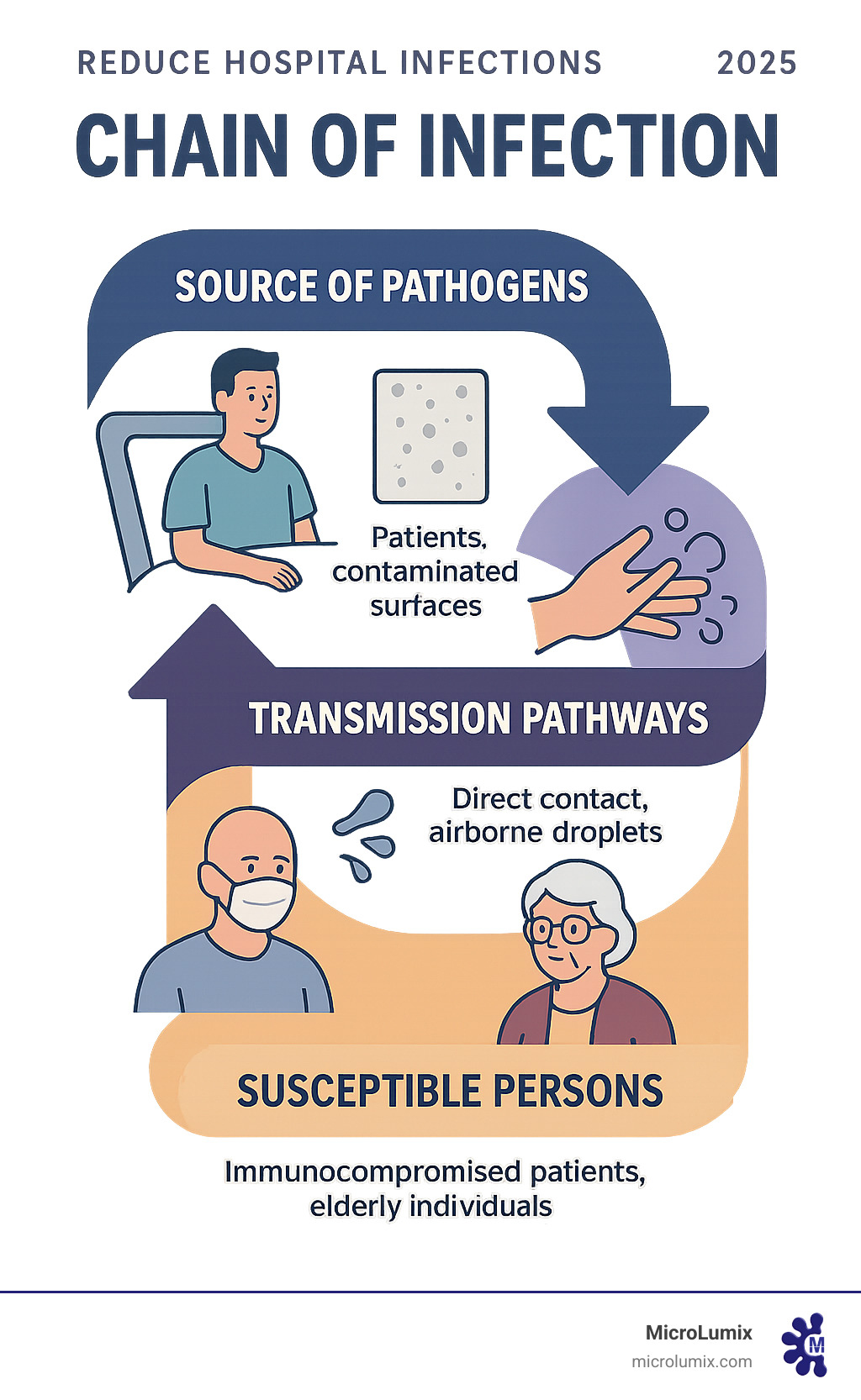
To effectively reduce hospital infections, we must break the chain of infection, which consists of three links: a source of germs, a pathway for transmission, and a susceptible person. The CDC confirms that an HAI requires a source, transmission, and a vulnerable host.
The Sources: Where Do Pathogens Hide?
Pathogens hide in both obvious and unexpected places. Patients, healthcare workers, and visitors can all carry and spread germs, sometimes without any symptoms. The hospital environment is another major source.
High-touch surfaces like bed rails, call buttons, and doorknobs frequently harbor dangerous pathogens. Medical equipment, from stethoscopes to shared devices, can become contaminated if not properly disinfected between uses.
The most concerning sources are invasive devices, which create direct pathways into the body. Catheters are responsible for 32% of all HAIs (CAUTIs), central IV lines for 14% (CLABSIs), and ventilators for 15% (VAP). These devices bypass the body’s natural defenses, creating entry points for germs.
The Pathways: How Do Germs Travel?
Germs travel through a facility via several pathways. Direct contact, such as a provider touching a patient with unwashed hands, is the most common route. Indirect contact occurs when germs are transferred via an intermediary object, like a contaminated doorknob or medical instrument.
Respiratory droplets from a cough or sneeze can travel short distances, while some pathogens create airborne particles that linger in the air and travel further. Bloodborne pathogens are transmitted through contact with infected blood, often via needlestick injuries. Finally, germs on contaminated surfaces can survive for hours or days, waiting for the next person to touch them.
The Targets: Who is Most at Risk?

Not everyone exposed to germs gets sick. The risk is highest for susceptible individuals whose defenses are compromised.
Immunocompromised patients, such as those with cancer, HIV/AIDS, or organ transplants, are at greatest risk. Elderly individuals have naturally weaker immune systems, while newborns have not yet developed robust immunity.
Surgical patients are vulnerable because surgery creates an open wound, which is why surgical site infections account for 22% of all HAIs. Patients with invasive devices are also in a high-risk category, as these tools bypass the body’s natural barriers.
Finally, underlying medical conditions like diabetes or lung disease, and certain medications like antibiotics or corticosteroids, can increase a patient’s vulnerability. Understanding these risk factors allows for targeted protective measures to reduce hospital infections.
A Multi-Layered Defense: Core Strategies to Reduce Hospital Infections
Effectively reducing hospital infections requires a multi-layered defense, not a single solution. The best strategies combine evidence-based practices that work together. Standard Precautions are the baseline for all patient care, supplemented by Transmission-Based Precautions for known or suspected pathogens. Facilities also use infection prevention bundles—collections of proven practices that significantly improve safety when used together. This layered approach, based on decades of CDC research, ensures that if one defense fails, others provide backup protection for patients.
The Foundation: Hand Hygiene and Personal Protective Equipment (PPE)
Hand hygiene is the single most powerful tool for preventing infection.
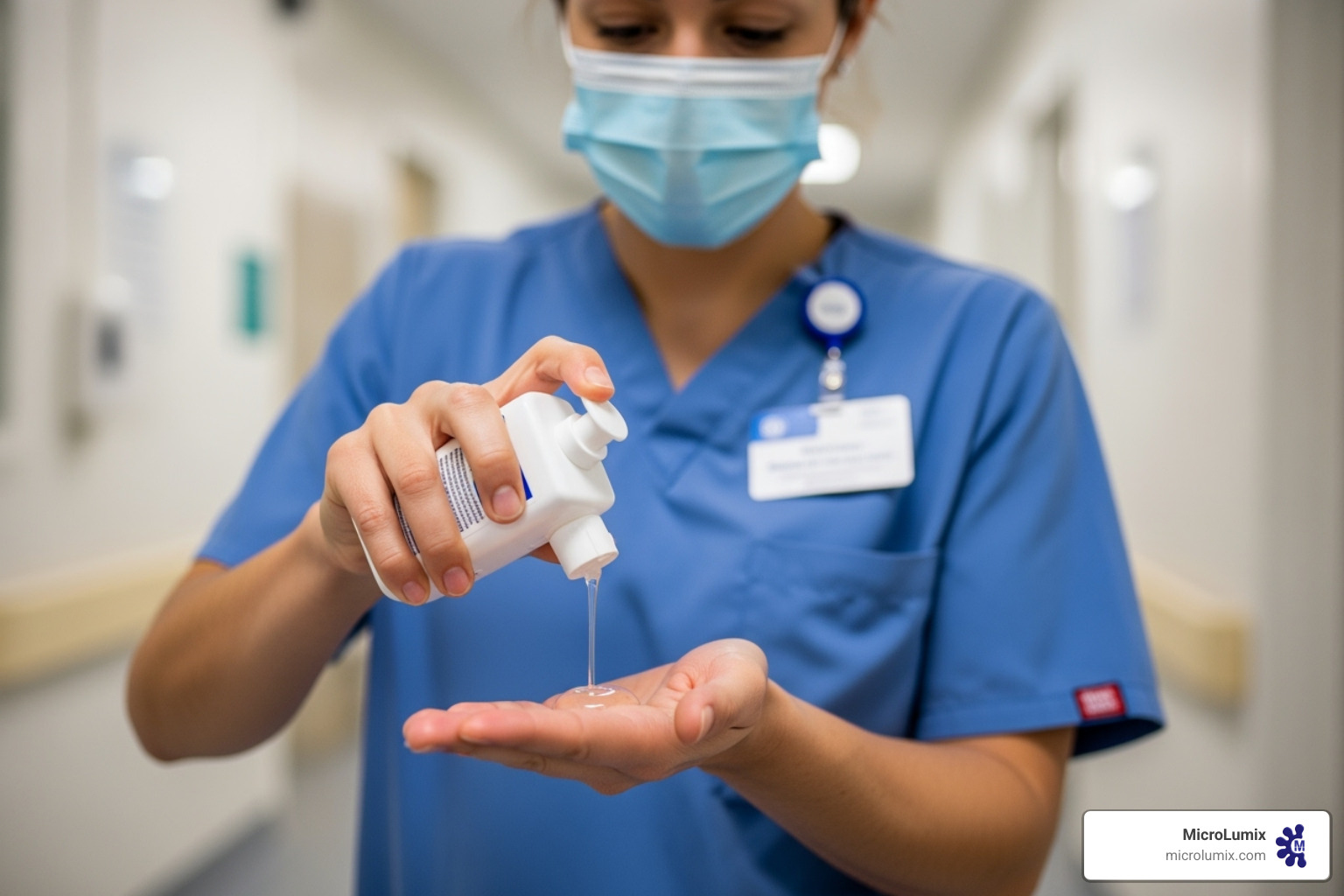
Handwashing with soap and water is the standard, but alcohol-based hand sanitizers are often more effective and convenient in busy healthcare settings. The challenge is compliance: healthcare workers follow proper hand hygiene only about 40% of the time. Improving this rate is a major opportunity to reduce hospital infections, as outlined in the 2022 Hand Hygiene Guidelines.
Personal Protective Equipment (PPE) is the next layer, acting as armor for staff and patients. This includes gloves for direct contact, gowns to shield clothing, masks to block respiratory droplets, and eye protection against splashes. Correct use, especially during removal, is critical to prevent self-contamination.
Creating a Safe Space: Environmental Cleaning and Disinfection
The hospital environment can harbor pathogens, making environmental cleaning a critical safety measure. Environmental Services (EVS) teams focus on high-touch surfaces like bed rails, call buttons, and doorknobs, cleaning them frequently with EPA-registered disinfectants. Terminal cleaning, a deep clean after a patient is discharged, resets the room’s safety.
However, manual cleaning has limitations. Studies show it reaches only about 40% of near-patient surfaces according to hospital policies, leaving a 60% gap in disinfection. The CDC guidelines on environmental infection control stress the importance of proper cleaning, highlighting the need for solutions that can fill these dangerous gaps.
Beyond the Basics: Improved Protocols to Reduce Hospital Infections
Effective infection control goes beyond the basics to include advanced protocols. Antimicrobial stewardship promotes the wise use of antibiotics to fight resistance. Safe injection practices prevent transmission by ensuring sterile equipment for every patient. Isolation protocols (contact, droplet, or airborne) protect others from patients with infectious diseases.
Device-associated infection prevention uses care bundles to prevent infections from catheters, IV lines, and ventilators, emphasizing prompt removal. A key development is the focus on technology-enabled solutions like automated touchpoint disinfection. These systems bridge the gaps left by manual cleaning, offering a major leap forward in our ability to reduce hospital infections through reliable, automated protection. The CDC’s infection prevention best practices provide comprehensive guidance for implementing these advanced strategies.
Building a Fortress: Implementing a Robust Infection Control Program
An effective infection control program is a living system, not a dusty binder of policies. It begins with a culture of safety, where leadership commitment makes it clear that prevention is everyone’s job. This culture is supported by robust surveillance and data analysis to monitor infection rates, identify patterns, and guide efforts. The goal is continuous improvement—always striving to better protect patients and reduce hospital infections. As the American Hospital Association notes, HAI prevention is a “longstanding quality and patient safety priority” requiring constant attention. AHA resources on infection control.
The Blueprint: Key Components of Your Program
A strong program needs a clear structure. The Infection Control Committee, a multidisciplinary team of clinicians and administrators, sets policy and guides strategy. The Hospital Epidemiologist, a physician with specialized training, oversees surveillance and outbreak investigations. The program’s backbone is the team of Infection Preventionists (IPs), who implement policies, educate staff, and conduct surveillance. Success also depends on solid data monitoring via NHSN (National Healthcare Safety Network) to track progress and benchmark against national data. When an infection occurs, the team must be ready for outbreak investigation to stop the spread. Finally, clear goal setting with measurable targets for reducing specific HAIs drives action and focuses resources.
Empowering the Front Lines: Education, Training, and Culture
Protocols are useless if staff aren’t empowered to use them. Investing in your team is critical to reduce hospital infections.
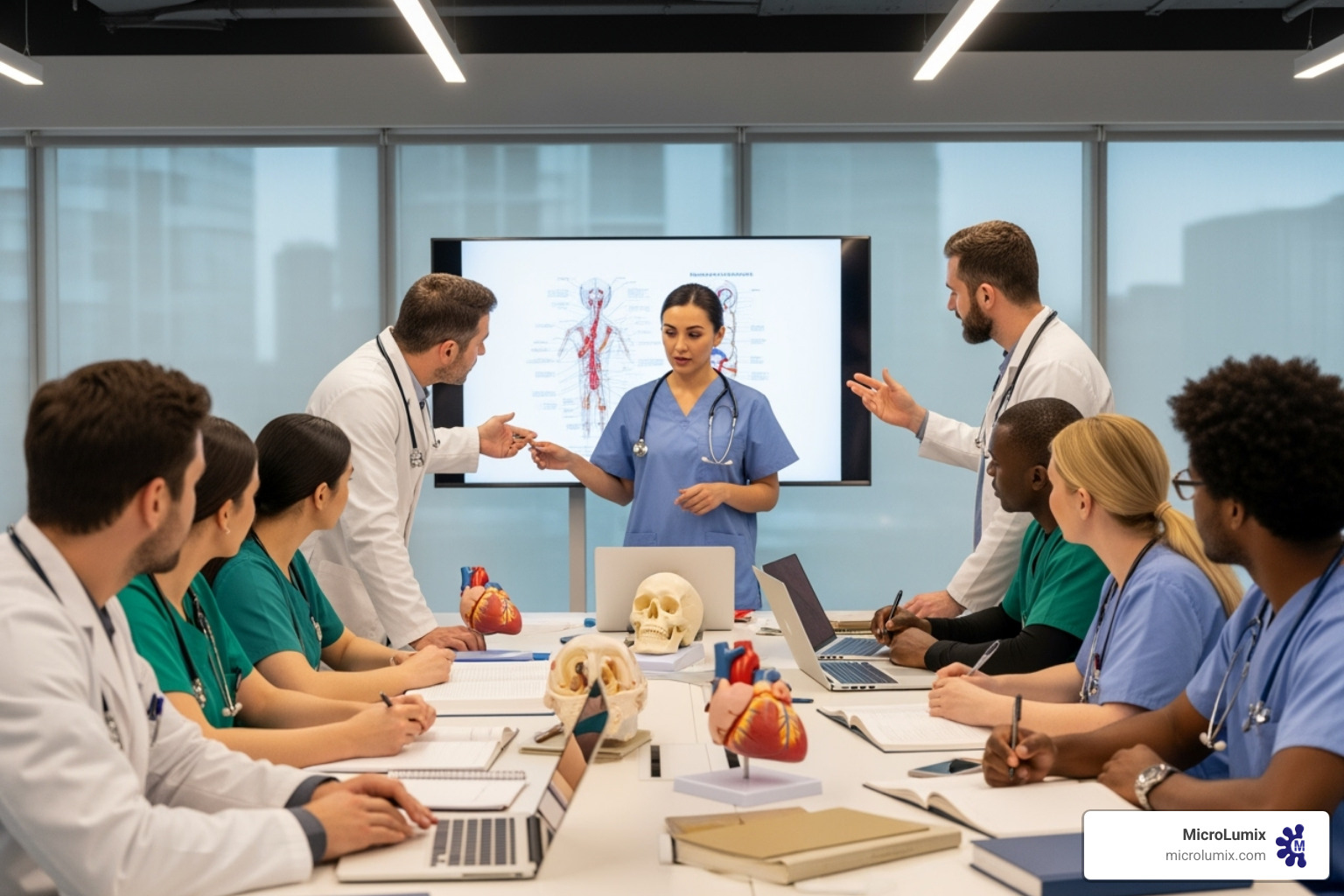
This means ensuring ongoing staff competency through training on the latest principles, from hand hygiene to aseptic techniques. Audits and feedback are not for punishment but for reinforcement, providing constructive support to help everyone improve. Patient and family engagement is also key; educating them on hand hygiene and encouraging them to ask questions adds powerful allies to the team. Tools like TeamSTEPPS, an evidence-based teamwork system, can improve the communication crucial for effective infection control. Competency-based Training Resources. The ultimate goal is a culture where every staff member feels responsible for prevention and comfortable speaking up about safety risks.
How to Assess and Improve Your Facility’s Efforts to Reduce Hospital Infections
Continuous assessment is vital for improvement. The CDC’s ICAR assessment tool (Infection Control Assessment and Response) helps facilities evaluate practices and identify gaps. When an HAI occurs, root-cause analysis helps uncover underlying factors to prevent recurrence. Benchmarking against national or peer data provides valuable context and helps prioritize efforts. Public reporting, promoted by groups like The Leapfrog Group, drives accountability and system-wide improvement. For a fresh perspective, expert infection prevention consulting from organizations like ECRI can offer invaluable insights. Expert infection prevention consulting. This cycle of measuring, learning, and adjusting brings you closer to the goal of zero preventable infections.
The Future of Infection Control: Innovations and Emerging Trends
The landscape of infection control is evolving rapidly, and exciting innovations are changing how we reduce hospital infections. The COVID-19 pandemic served as a powerful catalyst, accelerating the adoption of technologies that many facilities had been considering for years.
UV-C light disinfection has emerged as a game-changer in the fight against healthcare-associated infections. This chemical-free technology harnesses the power of ultraviolet-C light to deactivate pathogens on surfaces and in the air. What makes UV-C particularly appealing is its ability to eliminate a high percentage of pathogens without leaving behind any chemical residues or creating resistance issues.
The pandemic also highlighted the critical importance of advanced ventilation systems. Improved air filtration and ventilation design can dramatically reduce airborne transmission of pathogens. Many facilities are now investing in upgraded HVAC systems that can better manage air flow patterns and filter out infectious particles.
Whole-genome sequencing represents another breakthrough in infection control. This sophisticated molecular technique allows infection preventionists to track pathogen transmission with unprecedented precision. Instead of guessing how an outbreak spread, teams can now map the exact genetic fingerprint of bacteria or viruses, identifying transmission patterns and containing outbreaks more quickly and effectively.
The concept of horizontal interventions is also gaining momentum. Rather than targeting specific pathogens individually, these strategies focus on broad-spectrum approaches that impact multiple types of germs transmitted through similar pathways. Universal hand hygiene protocols are a perfect example – they work against virtually all pathogens, making them incredibly efficient investments.
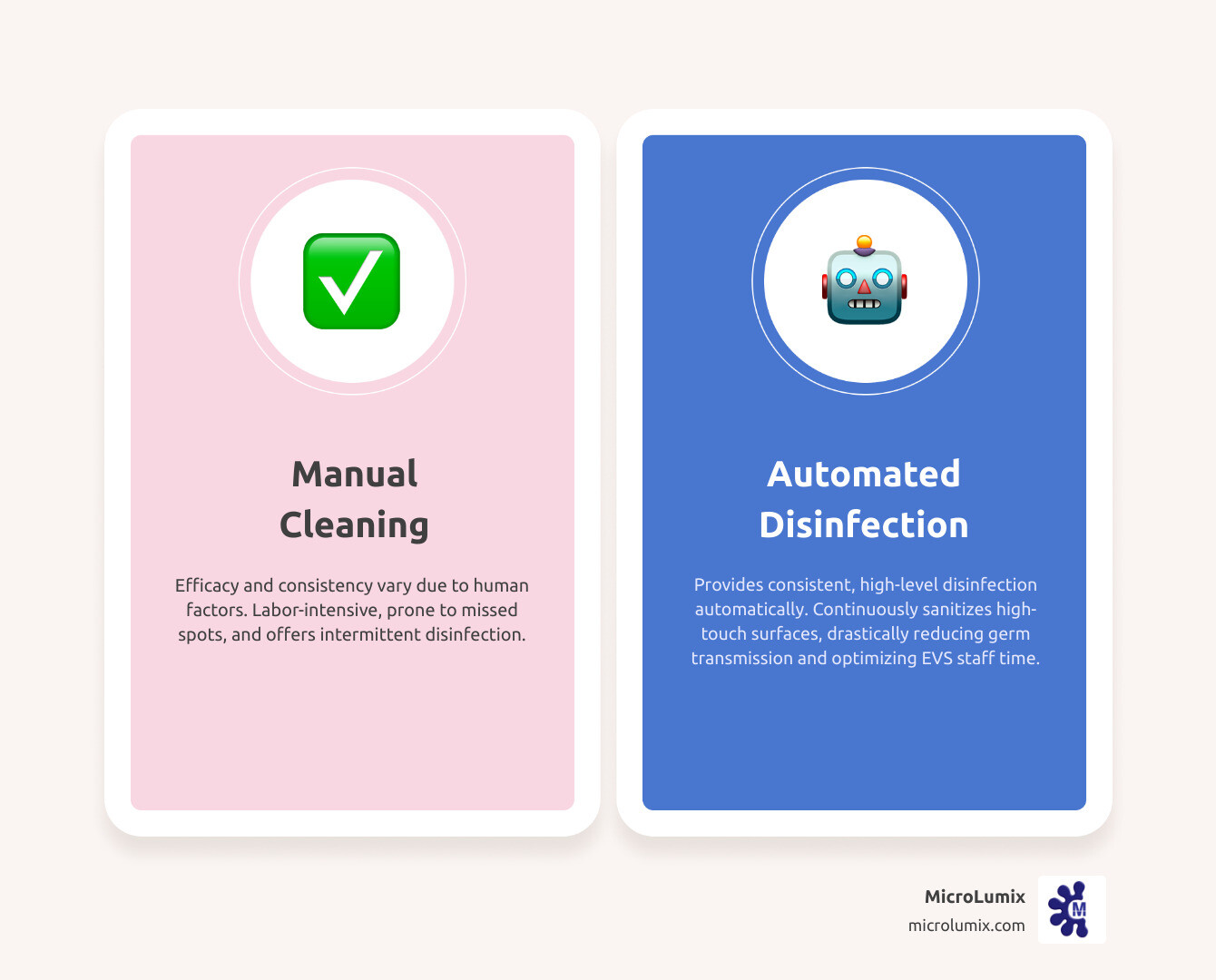
Perhaps the most exciting development is the rise of automated disinfection technologies. These systems address the fundamental challenge we discussed earlier – that manual cleaning, despite best efforts, only reaches about 40% of near-patient surfaces according to hospital policies.
Automated touchpoint disinfection represents a quantum leap forward in environmental infection control. Systems like our GermPass technology automatically sanitize high-volume touchpoints immediately after every touch, ensuring continuous disinfection throughout the day. This approach achieves 99.999% efficacy against pathogens while freeing up valuable environmental services staff to focus on other critical cleaning tasks.
The beauty of automated systems lies in their consistency. While human performance can vary due to fatigue, time pressures, or training gaps, automated technology delivers the same high level of disinfection every single time. This reliability is crucial when we’re working to reduce hospital infections and protect our most vulnerable patients.
Research continues to support the development of innovative decontamination technologies, with scientists exploring new methods to make healthcare environments safer. Research on new decontamination technologies. As these technologies mature and become more accessible, we can expect to see even more dramatic improvements in infection prevention outcomes.
The future of infection control isn’t just about individual technologies – it’s about creating integrated systems that work together seamlessly. By combining improved protocols, staff education, and cutting-edge technology, we’re building a comprehensive defense that can finally turn the tide against healthcare-associated infections.
Frequently Asked Questions about Reducing Hospital Infections
When it comes to infection control, we hear the same questions over and over again from patients, families, and even healthcare professionals. These are the questions that matter most – the ones that can make a real difference in keeping everyone safe. Let’s explore the answers that could save lives.
What is the single most effective way to prevent the spread of infection?
The single most powerful weapon against hospital infections is hand hygiene. Whether using soap and water or an alcohol-based hand sanitizer, this simple act is the most fundamental method for preventing the spread of germs. Clean hands break the chain of transmission by removing pathogens before they can travel from a surface to a patient. Proper hand hygiene can reduce transmission risk significantly, making it the first and strongest line of defense.
What role do patients and their families play in preventing infections?
Patients and families are active participants in creating a safer hospital. Hand hygiene for visitors is crucial; use hand sanitizer upon entering and leaving a room. It’s also important to be an advocate for your care. Don’t hesitate in asking questions about catheters and other invasive devices, such as, “Is this still medically necessary?” The longer these devices are in place, the higher the infection risk. Speaking up about concerns is another key role. Report new symptoms promptly to the care team, such as fever or redness around a wound. Your observations can help catch problems early. Finally, if you feel sick, postpone your visit to protect vulnerable patients.
Are some hospitals safer than others regarding infection rates?
Yes, there is significant variation in infection rates among hospitals. Fortunately, public reporting makes this data accessible, empowering patients. Resources like The Leapfrog Hospital Safety Grade and CMS Care Compare provide ratings and detailed quality measures, including infection rates. These tools help you in making informed choices about your care. While some hospitals treat sicker patients, this data is often “risk-adjusted” to allow for fairer comparisons. This transparency drives accountability and motivates hospitals to improve their efforts to reduce hospital infections. Doing your research to find a hospital with a strong safety record is a worthwhile step.
Conclusion
The battle to reduce hospital infections isn’t just about statistics and protocols – it’s about protecting the people we care about most. Every patient who walks through a hospital’s doors deserves to leave healthier than when they arrived, not facing a new infection they didn’t have before.
Throughout this journey, we’ve seen that healthcare-associated infections affect 1.7 million patients annually, with devastating consequences for families and healthcare systems alike. But here’s the encouraging truth: these infections are largely preventable. The key lies in understanding that no single solution will solve this complex challenge.
Success requires a multi-faceted approach that starts with the basics. Proper hand hygiene remains our most powerful weapon, even though healthcare workers currently achieve only 40% compliance. Environmental cleaning and disinfection create the foundation for safe spaces, while robust infection control programs provide the structure needed for lasting change.
Yet traditional methods, no matter how well-intentioned, have their limits. When only 40% of near-patient surfaces receive proper cleaning according to hospital policies, we’re leaving too much to chance. This is where technology’s role becomes crucial in bridging these dangerous gaps.
Our MicroLumix GermPass system represents exactly this kind of innovation. By providing automated touchpoint disinfection that works around the clock, we’re not replacing human expertise – we’re enhancing it. Every time someone touches a high-traffic surface equipped with GermPass, that surface gets sanitized immediately with 99.999% efficacy against pathogens.
The future of healthcare depends on this combination of human dedication and smart technology. When we empower healthcare workers with tools that make their infection control efforts more effective, everyone wins. Patients stay safer, staff can focus on what they do best, and healthcare facilities can achieve the infection prevention goals that seemed impossible with manual methods alone.

The path forward is clear. By combining proven infection control fundamentals with cutting-edge automated disinfection technology, we can create healthcare environments where infections become increasingly rare rather than an accepted risk.
Are you ready to join us in creating a safer tomorrow for healthcare? Learn how to automate disinfection and reduce hospital infections.